Behind the Scenes at Mackinac Island: How the Tourism Machine Really Works
The Island That Feels Simple but Runs on Careful Planning
Mackinac Island feels calm from the moment you arrive. The streets are quiet. Bikes roll past shops. Horses pull carriages through town. Visitors smell fresh fudge and see lake views everywhere.
Yet this peaceful place does not run by chance. A full tourism system works behind the scenes each day. Ferries bring guests, workers, luggage, food, and supplies. Hotels prepare rooms around arrival times. Restaurants plan for busy lunch and dinner rushes. Shops stock items before crowds step inside.
This is what makes Mackinac Island tourism so interesting. The island welcomes more than 1 million visitors each year. Still, only a small group of people live there all year. During the busy season, workers come from many places to support hotels, shops, tours, restaurants, and ferry service.
For visitors, the island may feel easy and slow. Behind that easy feeling is strong planning. Each part must work well with the next. That is why a Mackinac Island travel day can feel smooth, even when the island is full.
Why Mackinac Island Tourism Is Different From Most U.S. Destinations
Most U.S. vacation towns are built around cars. Mackinac Island is different. Visitors do not drive across a bridge or park near a hotel. Most people arrive by ferry from the mainland.
That simple difference changes almost everything. Guests plan around ferry times. Hotels plan around arrivals. Businesses plan around deliveries. Even luggage needs careful handling from dock to door.
The island is also famous for its car-free streets. People move by walking, biking, and horse-drawn carriage. This keeps the island quiet, clean, and full of old-world charm. It also gives visitors a slower travel experience.
Mackinac Island tourism is also highly seasonal. The main visitor season runs from May through October. During these months, the island becomes busy with day trips, overnight stays, tours, and vacations.
This special mix makes the island stand out. It has history, nature, water views, and a rare car-free pace. But it also depends on careful daily work. That hidden work is the tourism machine behind the island’s charm.
The Ferry System: The First Step in the Tourism Machine
Every Mackinac Island travel story begins before the dock. Most visitors reach the island by ferry from the mainland. That short ride does more than move people across water. It helps set the pace for the full visitor day.
Ferry times affect many parts of Mackinac Island tourism. Early boats bring hotel guests, day visitors, workers, bikes, and luggage. Later boats shape dinner plans, return trips, and evening crowds. When ferries arrive close together, downtown can fill quickly.
Hotels and inns also plan around ferry arrivals. Staff prepare rooms, answer timing questions, and help guests settle in. Restaurants watch visitor flow before lunch and dinner. Shops often see more traffic after busy ferry landings.
The ferry system also supports the island’s daily needs. Supplies, food, mail, and other goods must cross the water first. After that, they still need to move through a car-free town. This is why timing matters so much on the island.
Visitors can make the day easier with simple steps:
- Check ferry times before booking tours or meals.
- Arrive early during busy summer travel days.
- Label luggage clearly before boarding the ferry.
- Ask your hotel about luggage help and timing.
A good ferry plan can make the whole trip smoother.
No Cars: How Transportation Really Works on the Island
Mackinac Island is famous for its car-free streets. This rule gives the island a quiet and historic feel. It also changes how daily life works for everyone.
Visitors move around by walking, biking, or carriage. These simple travel choices shape the whole island experience. Main Street stays active because people explore at street level. They stop for fudge, meals, shops, views, and photos.
Bikes are also a key part of island travel. Many guests rent bikes after arrival. Others bring bikes across on the ferry. The well-known 8.2-mile road around the island is popular with families, couples, and first-time visitors. It offers lake views without heavy traffic noise.
Horses also do more than create charm. Horse-drawn carriages support tours, taxis, hotel rides, and delivery work. They help the island move while keeping its old-world pace.
This system feels simple to visitors. Yet it needs strong planning each day. Bikes, horses, walkers, luggage, workers, and supplies all share limited space.
That is why patience helps. Walk carefully, watch bike lanes, and respect horses. When visitors understand the system, Mackinac Island tourism feels even more special.
Seasonal Workers: The People Who Keep the Island Running
Mackinac Island looks peaceful to visitors, but it needs many hands. The island has about 500 year-round residents. During the main season, about 5,000 seasonal workers help serve guests.
These workers support almost every part of Mackinac Island tourism. They greet guests, clean rooms, serve meals, drive carriages, rent bikes, and work on ferries. Many also help in shops, fudge stores, museums, and tours.
This large team makes the visitor experience feel smooth. Guests may only see the front desk smile or dinner service. Yet many people worked before that moment.
Before peak travel starts, businesses prepare early. They hire staff, train teams, order goods, and clean spaces. This work helps the island handle busy summer days.
Common seasonal roles include:
- Front desk and housekeeping staff
- Restaurant servers and kitchen teams
- Retail clerks and fudge shop workers
- Bike rental teams and ferry deck hands
- Carriage drivers, guides, and stable workers
A good Mackinac Island travel experience depends on this teamwork.
Hotels, Inns, and Restaurants: How Hospitality Works Behind the Scenes
Hospitality on Mackinac Island takes extra care and planning. Hotels and inns do more than offer rooms. They help guests move through a place with no cars.
Check-in often begins before guests reach the front door. Staff may answer ferry questions, explain luggage timing, and suggest routes. They also help guests plan meals and tours.
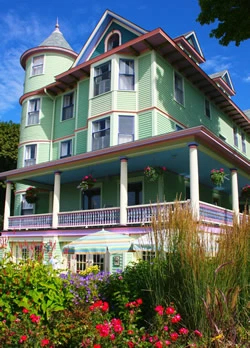
Historic buildings need care on the island. Inn on Mackinac is a quiet Victorian inn built in 1867. A stay like this connects guests with island history. It also shows why careful upkeep matters.
Restaurants face daily planning needs. They prepare for lunch rushes, dinner crowds, and weather changes. They also depend on steady supplies and trained staff. When service feels easy, much work has already happened.
Helpful hotel teams often guide visitors with:
- Best times to avoid busy downtown streets
- Easy routes from the ferry dock
- Dining tips during peak evening hours
- Bike ride and carriage tour planning
- Quiet spots for views and rest
This local support helps guests enjoy the island better.
Food, Fudge, Shops, and Supplies: The Hidden Logistics of Island Life
Food, fudge, gifts, and supplies do not appear by chance. First, many items must cross the water by boat. Then they must move through a town without normal car traffic.
This makes planning very important for island businesses. Restaurants must order food with care. Shops need enough stock before large crowds arrive. Fudge stores prepare for steady foot traffic.
Weather, ferry schedules, and season changes can affect delivery timing. So island teams plan ahead whenever possible.
Visitors see full shelves, fresh meals, and open shop doors. Behind those simple moments is a careful system. That system keeps Mackinac Island tourism moving every day.
Mackinac Island State Park: The Natural Engine Behind the Visitor Experience
Mackinac Island tourism is not only about downtown streets. The island also draws visitors through nature, history, and open space. Mackinac Island State Park plays a major role in that experience.
The park covers more than 80% of the island. That means visitors can explore far beyond shops and restaurants. They can walk wooded trails, ride bikes, visit historic sites, and enjoy lake views.
Popular places like Arch Rock and Fort Mackinac add more value. They give travelers clear reasons to stay longer. They also help spread visitors across the island. This keeps the trip more balanced and more enjoyable.
The park also protects the island’s special character. Its trails, bluffs, forests, and shoreline views support the quiet island feel. Without this preserved land, Mackinac Island travel would feel very different.
How Visitors Can Travel Smarter After Knowing the System
Once visitors understand the island system, they can plan better. A little planning can save time and stress. It also helps guests enjoy the island at a slower pace.
Here are simple ways to travel smarter:
- Check ferry times before planning tours or meals.
- Book rooms early for busy summer dates.
- Stay overnight instead of rushing through one day.
- Bring comfortable shoes for walking.
- Watch for bikes, horses, and busy street areas.
- Explore early morning for quieter island views.
- Ask hotel staff for local timing tips.
These small steps can improve the full visitor experience. They also help guests enjoy more than Main Street. Mackinac Island has quiet corners, lake paths, historic stops, and peaceful views.
Conclusion
Mackinac Island feels peaceful because many systems work together. Ferries, horses, bikes, workers, hotels, shops, parks, and residents all support the visitor experience.
That teamwork is the real tourism machine behind the charm. Visitors may not see every detail. Still, they feel the result during every smooth moment.
For travelers who want a slower island stay, Inn on Mackinac offers a quiet Victorian setting close to the island’s history, beauty, and daily rhythm.
Category: Mackinac Island