Can You Fly a Drone on Mackinac Island? Rules, Permits and Safe Alternatives
Mackinac Island rewards photographers with shoreline views, historic buildings, and wooded trails. Those scenes may tempt visitors to launch a drone. However, local rules make that plan difficult. Most of the island lies within Mackinac Island State Park. The park commission requires written permission before anyone uses an unmanned aircraft on its lands. Its drone policy also bans flights above Mackinac State Historic Parks without commission permission.
The short answer is simple: do not arrive expecting a casual flight. You must confirm park, city, and federal requirements first. A legal FAA flight is not automatically approved locally.
Quick Answer
- Can visitors fly freely? No. Written permission is required on park property and above Mackinac State Historic Parks.
- Is FAA compliance enough? No. Federal rules and local permission requirements apply together.
- Can commercial pilots fly? Only after meeting Part 107 requirements and receiving needed local approvals.
- Best visitor option: Use handheld photography from public places and marked trails.
Why Drone Flights Face Tight Limits
Mackinac Island is unlike a typical vacation destination. Horses, bicycles, pedestrians, historic structures, and natural areas share limited space. A drone failure could injure someone below. Its sound or movement could also startle a horse.
The park commission cites public safety, historic preservation, and privacy concerns. It also notes that drones may lose power or communication. These risks matter near busy streets, overlooks, museums, and carriage routes.
The Local Rule Visitors Need to Know
The current Mackinac Island State Park Commission rules define an unmanned aircraft broadly. The definition covers recreational, commercial, academic, and government use. Rule 46 makes operation unlawful without proper written permission.
The separate commission drone policy goes further. It bans drones from airspace above Mackinac State Historic Parks without commission permission. Because the state park covers much of the island, visitors should never assume an open launch area exists.
The Mackinac Island Tourism Bureau also advises pilots to obtain permission from both the City of Mackinac Island and Mackinac State Historic Parks. It recommends informing the Mackinac Island Police Department. Contact each authority directly before planning any flight.
Federal Rules Still Apply
Local approval does not replace FAA requirements. Recreational pilots must pass the free Recreational UAS Safety Test, called TRUST. They must carry proof while flying. Pilots also need to follow recognized safety guidelines and keep the drone within visual sight.
Recreational drones weighing 250 grams or more generally require FAA registration. Registered drones must meet Remote ID requirements unless a stated exception applies. Pilots must give way to other aircraft and follow airspace limits.
A flight serving a business, organization, or promotional purpose may not qualify as recreational. Many non-recreational flights fall under Part 107. Those operations generally require a remote pilot certificate, drone registration, and full compliance with applicable operating rules.
Permission Does Not Guarantee Approval
A request should explain who will fly, why, when, and where. It should identify the aircraft and planned safety controls. Commercial applicants may also need insurance or other documentation. Authorities may reject a request when risks cannot be managed.
Do not launch while waiting for an answer. Written permission should be secured before travel whenever the flight matters to your project. Keep every approval and FAA document available during the operation.
A Practical Preflight Checklist
- Confirm whether the purpose is recreational or non-recreational.
- Request written park permission for the proposed place and time.
- Check whether the city requires separate approval or notice.
- Review current FAA airspace information before every planned flight.
- Carry TRUST, registration, Remote ID, and Part 107 records when applicable.
- Plan clear separation from people, horses, buildings, and traffic.
- Cancel the flight if weather or crowd conditions become unsafe.
Common Mistakes to Avoid
Assuming a Small Drone Is Exempt
A sub-250-gram drone may avoid recreational registration in limited circumstances. That does not cancel park rules. Local permission can still be required regardless of weight.
Launching Outside the Park
Changing the launch point may not solve the problem. The commission policy addresses airspace above its properties. A pilot must evaluate the entire route, not only the takeoff spot.
Calling Personal Content Recreational
The FAA considers the purpose of the flight. Content supporting a business, property listing, or organization may be non-recreational. Payment is not the only factor. When uncertain, review Part 107 guidance before flying.
Safer Ways to Capture Island Views
Visitors can create strong images without taking flight. Use a phone or camera from public walkways, overlooks, and designated trails. Respect posted closures and private property. Avoid blocking bicycle, carriage, or pedestrian traffic.
Plan locations with our Mackinac Island visitor guide. It helps visitors understand the island before exploring.
Review additional Mackinac Island rules and restrictions before packing specialized equipment.
What to Do Before Your Trip
Rules, contacts, and airspace conditions can change. Check official park, city, and FAA sources close to departure. Save written answers instead of relying on an old forum post. If approval remains uncertain, leave the drone at home.
Questions to Send With a Permission Request
A clear request helps officials assess the plan. State the exact launch and landing points. Include the proposed date, time, duration, altitude, route, and purpose. Explain how the pilot will protect pedestrians, bicycles, horses, buildings, and private spaces.
List the drone model, registration details, and pilot credentials. Add a weather backup plan and emergency landing procedure. If filming supports a client or business, describe that use honestly. Ask whether police notification, insurance, or another permit is required. Never interpret silence as approval.
Conclusion
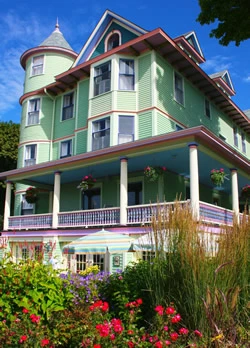
Mackinac Island drone rules protect visitors, horses, historic places, and natural areas. Written local permission and federal compliance may both be necessary. For most leisure trips, ground-level photography offers the simplest choice. After planning your camera stops, explore the comfortable rooms at Inn on Mackinac and check availability for your island stay.
Category: Mackinac Island