Historic Biddle House: Step Into the Fur Trade Era on Mackinac Island
Introduction
Picture this—you’re walking down a quiet path on Mackinac Island. The clip-clop of horses echoes in the air. The smell of lilacs and lake water is carried by the breeze. Around the corner stands a wooden house with a wide front porch. It looks simple, but it holds stories older than the state of Michigan itself.
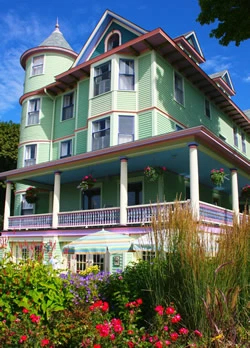
This is the Biddle House. More than just a preserved home, it is a living window into one of the most important periods in American history—the fur trade era. Located just steps from the Inn on Mackinac, the Biddle House invites you to travel back in time. You study more than just history here. You go inside of it.
The fur trade once made Mackinac Island a center of commerce, culture, and change. Long before it became a peaceful vacation spot, this island buzzed with activity. Let’s take a closer look at that fascinating time.
The Fur Trade Era on Mackinac Island
Fur was extremely valuable in the late 1700s and early 1800s. Beavers, otters, and foxes were hunted for their pelts. These furs were shipped across oceans to make fashionable hats and coats in Europe. Mackinac Island became a hub for this trade.
Why Mackinac? It sits where Lake Michigan and Lake Huron meet. That made it a perfect stop for voyageurs, Native traders, and merchants. People from many cultures came here to exchange goods and build relationships.
Goods commonly traded included:
- Beaver, mink, and fox furs
- Blankets, metal tools, and beads
- Rifles, gunpowder, and knives
- Cloth, sugar, and tobacco
But the fur trade was more than buying and selling. It was also about relationships. French and British traders built ties with Native American tribes. They often married into local communities. These unions created strong alliances and helped both groups survive and thrive.
The Biddle House was part of this story. It stood at the center of this busy, multicultural life. The walls of this house have seen trade deals, family dinners, and moments that shaped local history.
Today, you can visit and feel the energy of that era. You can picture the traders, the native families, and the life they built together. That’s what makes the Biddle House so special—it lets you stand where history happened.
The Story of the Biddle House
One of Mackinac Island’s oldest residences is the Biddle House. It was built around the late 1700s, during the height of the fur trade. The house once belonged to Edward Biddle, a fur trader from Pennsylvania. He traveled to the island to conduct business with other traders and Native American groups.
But Edward is only half the story. His wife, Agatha Biddle, played a much greater role in shaping the island’s community. She was of Odawa and French heritage, making her a respected figure in both Native and European circles.
Agatha led with kindness, wisdom, and strength. She helped bridge the cultural gap between settlers and Indigenous people. She worked in trade, managed their home, and supported local families. She also played a key role in treaty talks with the U.S. government.
The Biddle House tells the story of both Edward and Agatha. It’s more than just walls and furniture. It represents a powerful time when different cultures lived, worked, and traded together.
What You’ll Experience Inside the Biddle House
When you walk through the Biddle House today, you walk into the past. The home has been carefully restored by Mackinac State Historic Parks. Every room reflects life as it was in the early 1800s.
You’ll see real items that people used every day:
- Wooden furniture from the fur trade era
- Handmade clothing and cooking tools
- Beaded bags and woven baskets
- Metal pots, candles, and trade goods
Every component contributes to the narrative. You’ll see how people lived, cooked, traded, and raised families during that time.
The displays highlight Agatha Biddle’s role in her community. You’ll learn how she helped build relationships between cultures. Her story is told through photos, letters, and cultural exhibits. These exhibits honor her as both a leader and a peacemaker.
What makes the Biddle House even more special is the living history. During the summer, staff dress in period clothing. They answer questions and explain how people lived back then. It’s like stepping into a time machine.
Visitors often say the house feels personal and real. It’s quiet, simple, and deeply meaningful. Whether you love history or just want to learn something new, the Biddle House offers a rich and rewarding experience.
Why It Matters Today
The story of the Biddle House is more than local history. It demonstrates how various cultures joined together to create something enduring. That’s a powerful message in today’s world.
Agatha Biddle’s story stands out. She was a Métis woman—part Odawa, part French. She lived in an era when the majority of women had little influence. Nevertheless, she influenced her community. She worked as a trader, cared for families, and helped lead treaty talks.
Agatha’s life shows how Native women played key roles in American history. These stories are often missing from textbooks. The Biddle House helps bring those voices back.
The home also tells us about daily life during a major change in America. It creates a personal and emotional link to history. Visitors don’t just see history—they feel it.
Making the Most of Your Visit
The warmer months, which are typically May through October, are when the Biddle House is open. It’s close to downtown Mackinac Island, so it’s easy to find. The average person stays inside the house for 30 to 45 minutes. But if you want to see everything, you might want to stay longer.
Here’s how to plan your visit:
- Go there in the morning when it’s calm and serene.
- Pair your visit with nearby stops like Fort Mackinac
- Walk through Marquette Park, just steps away
- Bring your kids—there’s something here for every age
After your visit, return to comfort at the Inn on Mackinac. The Biddle House is just a short stroll from the inn. After a day of historical exploration, it’s the ideal spot to unwind.
Conclusion
The Biddle House offers more than facts and dates. It gives you a story you can walk into. You’ll leave with a deeper respect for Mackinac Island and the people who built it.
Stay nearby. Step into the past. And let history welcome you in—just steps from your inn.
Category: Mackinac Island