How Mackinac Island Got Its Name: The Origin Story & What It Means
Say “Mackinac” aloud. If you said “MACK-in-aw,” you pronounced it correctly. The spelling ends with “c,” but the final sound remains “aw.” That unusual spelling surprises many first-time visitors every summer.
The name carries a story much older than modern tourism. It begins with Anishinaabek history, limestone bluffs, and cultural traditions.
This guide explains the meaning, history, spelling, and pronunciation clearly. You will also understand why Mackinac and Mackinaw sound identical.
What Does “Mackinac” Mean?
Mackinac is commonly translated as “place of the Great Turtle.” This meaning reflects the island’s rounded, turtle-like limestone profile.
Anishinaabek travelers knew this island long before European settlement began. The name connected its natural shape with important cultural meaning.
The Great Turtle Shape
From the water, the island resembles a broad turtle shell. Its limestone bluffs rise gently above Lake Huron’s surrounding waters.
The rounded ridge made the comparison memorable for early travelers. That image remains central to Mackinac Island’s identity today.
The Native Roots of the Name
Anishinaabek peoples have deep cultural ties throughout this Great Lakes region. These peoples include Odawa, Ojibwe, and Potawatomi communities.
They traveled through the straits for fishing, trade, ceremony, and gathering. The longer name, Michilimackinac, commonly meant “place of the Great Turtle.”
Historical spellings varied because European writers recorded unfamiliar Native sounds differently. However, the Great Turtle interpretation remained widely recognized.
Why the Turtle Was Sacred
The turtle carries important meaning within many Anishinaabe cultural teachings. Some creation teachings describe new land forming upon a turtle’s back.
Those teachings connect turtles with land, life, patience, and renewal. Therefore, the island’s turtle shape carried meaning beyond simple geography.
Specific teachings may differ among families, communities, and cultural knowledge keepers. Visitors should understand these traditions with care and respect.
A Gathering Place at the Straits
The Straits of Mackinac formed a natural Great Lakes crossroads. Travelers approached through Lake Huron, Lake Michigan, and nearby waterways.
People gathered seasonally for fishing, exchange, diplomacy, trade, and ceremony. This location gave Michilimackinac lasting regional importance.
Breaking Down the Long Word
Michilimackinac appears complicated because Europeans recorded Native sounds differently. Its many spellings reflect French and English attempts at transcription.
The name is commonly understood as “place of the Great Turtle.” However, assigning exact meanings to separate syllables can become misleading.
Anishinaabemowin follows structures that English spelling cannot fully represent. Therefore, the complete historical meaning matters more than simple syllable divisions.
From Michilimackinac to Mackinac
European newcomers adapted the name across several centuries of regional change. French writers preserved a longer spelling resembling Michilimackinac.
Later English speakers shortened the name while keeping its established pronunciation.
The French Version
French traders, missionaries, and soldiers entered the straits during the seventeenth century. They adapted the existing Indigenous name into French written forms.
Michilimackinac became the familiar spelling for the region and settlement. Its established pronunciation continued ending with an “aw” sound.
The pronunciation was preserved even as written versions changed gradually.
The English Shortening
British and American speakers later shortened Michilimackinac to Mackinac. They kept the historical “c” used throughout earlier regional records.
However, local pronunciation continued ending with the familiar “aw” sound. That history explains today’s unusual match between spelling and speech.
Mackinac Versus Mackinaw
Both spellings appear around the straits, but pronunciation remains identical. Mackinac Island, Mackinac Bridge, Mackinac County, and straits use “c.”
Nearby Mackinaw City uses “w,” matching the spoken ending directly. Present-day Mackinaw City was officially platted during the year 1857.
A Quick Timeline of the Name
Here is the name’s historical journey through several important stages:
- Anishinaabek usage: Michilimackinac, commonly meaning “place of the Great Turtle.”
- French usage: Longer written forms, with pronunciation ending in “aw.”
- British and American usage: The name gradually shortened to Mackinac.
- Today: Different spellings remain, but pronunciation stays “MACK-in-aw.”
The spelling changed gradually, while the familiar pronunciation remained consistent.
The Name in the Island’s History
The name followed changing communities, trading networks, forts, and political control. It appeared on maps, military records, journals, and official documents.
Each generation shortened or standardized it without losing the established pronunciation.
Fort Michilimackinac
French soldiers constructed Fort Michilimackinac on the mainland during 1715. The fortified community became an important Upper Great Lakes trading center.
Native traders, voyageurs, soldiers, missionaries, merchants, and families gathered there. Goods, furs, information, and alliances moved through this important post.
During summer, its population could grow as traders arrived seasonally.
The Move to the Island
British forces began transferring the community to Mackinac Island during 1779. The relocation continued through 1780 and 1781 for stronger defense.
Workers dismantled several buildings and reconstructed them upon the island. Structures remaining on the mainland were burned after relocation finished.
The island’s elevated position offered better protection against possible attacks.
The Name on the Map Today
Mackinac now identifies several important places throughout northern Michigan. These include the island, county, bridge, straits, and historic fort.
The Mackinac Bridge is often nicknamed the “Mighty Mac.” Each “c” spelling still carries the same “aw” pronunciation.
The Great Turtle in Native Culture
The Great Turtle remains meaningful within regional Anishinaabek cultural history. It connects landscape, memory, ancestry, and continuing community traditions.
The island also contains longstanding Anishinaabek burial and gathering locations. Some island burials are more than one thousand years old.
Visitors should approach these important cultural places carefully and respectfully.
The Turtle and Creation
In some Anishinaabe creation teachings, water once covered the land. Animals then helped bring earth upward from beneath the water.
A turtle offered its back while the land formed again. These teachings connect turtles with creation, endurance, protection, and home.
Details may differ across communities and individual cultural knowledge keepers. Therefore, these stories should never receive one fixed interpretation.
Honoring the First Peoples
Anishinaabek communities remain connected to Mackinac Island and surrounding waters. The island’s name preserves part of that enduring cultural relationship.
Learning its origin helps visitors understand the region’s deeper history. Respect also means avoiding casual claims about sacred cultural traditions.
The name represents living heritage, rather than only distant history.
The Straits of Mackinac: A Name for a Crossroads
The Straits of Mackinac form waters between two Great Lakes. They connect Lake Michigan with Lake Huron at a crossroads.
Travelers have passed through this important channel for countless generations. That movement shaped Indigenous life, trade, warfare, settlement, and tourism.
Why the Location Mattered
Controlling the straits meant influencing travel across the upper lakes. Native nations understood this strategic value long before European arrival.
French, British, and American forces later recognized that value too. This importance explains why forts developed near the narrow channel.
The island’s higher ground also offered important defensive advantages.
The Fur Trade Era
By the late seventeenth century, regional fur trading expanded quickly. Michilimackinac became an important meeting, transfer, and supply location.
During summer, traders and travelers arrived from many distant communities. Furs, food, tools, letters, and news passed through regularly.
The name soon appeared throughout regional maps and written records. Fort Michilimackinac later became a major fur-trading community.
Other Names You Might Hear
Mackinac Island is often described as the Great Turtle. That phrase directly recalls the name’s commonly accepted historical translation.
You may also hear “Turtle Island” within wider Indigenous contexts. That phrase usually refers to a much broader geographic area.
It should not be presented as another name for Mackinac Island. Both ideas involve turtles, but their cultural meanings remain different.
Seeing the Turtle Shape for Yourself
Visitors can still understand the turtle comparison from several viewpoints. The island’s rounded limestone profile appears clearly across surrounding waters.
Weather, distance, and viewing angles can change that visual impression.
From the Ferry
Watch the island carefully while your ferry approaches the busy harbor. The bluffs gradually rise above the open surrounding water.
From certain angles, their curved ridge resembles a resting shell. This view offers a memorable introduction to the Great Turtle.
Keep your camera ready, especially during calm morning ferry crossings.
From the Water
Boat tours provide wider views beyond the island’s busy harbor. The island’s rounded outline appears clearer from a greater distance.
Ask local guides about suitable viewpoints and regional cultural history. Sunset light can make limestone ridges easier to notice.
Different routes may provide clearer views during changing weather conditions.
From Above
Published aerial photographs show the island’s complete outline most clearly. They reveal its rounded center, shoreline curves, and raised bluffs.
Visitors cannot freely launch drones within Mackinac Island State Park. Drone use requires written permission from the park commission.
Use approved aerial photographs when studying the island from above.
The Name Through the Centuries
The name survived warfare, changing governments, commerce, settlement, and tourism. It remains among Michigan’s oldest widely recognized regional place-names.
Every pronunciation carries traces of Indigenous, French, and English history. That layered history makes Mackinac more than a travel label.
It remains a living connection between language, landscape, and memory.
How to Say It Like a Local
Local speakers pronounce Mackinac exactly like nearby Mackinaw City does. Say “MACK-in-aw,” stressing the first syllable gently.
The final sound rhymes with “saw,” rather than “sack.” Remembering that pattern helps visitors speak confidently before arriving.
Both spellings always finish with the familiar “aw” sound.
Common Mispronunciations
The most common mistake is saying “MACK-in-ack” with a hard ending. Another mistake places unnecessary stress upon the final syllable.
Instead, keep the first syllable strongest and finish softly. Michilimackinac takes longer, but its ending still sounds like “aw.”
Speaking slowly makes the longer historical name much easier.
Mackinac or Mackinaw?
Both forms sound identical, although their spellings describe different places. Mackinac describes the island, bridge, county, and surrounding straits.
Mackinaw appears most prominently within the name Mackinaw City. The pronunciation never changes between these familiar regional spellings.
Remember the simple rule: different spelling, but identical pronunciation.
Fun Facts About the Name
These quick facts make Mackinac’s unusual name easier to remember:
- “Mackinac” commonly means “place of the Great Turtle.”
- Every local Mackinac spelling ends with the same “aw” sound.
- Fort Michilimackinac began upon the mainland during the year 1715.
- British forces relocated the community between 1779 and 1781.
- Present-day Mackinaw City was officially platted during the year 1857.
- Mackinac Island State Park prohibits unauthorized recreational drone flights.
These details connect the island’s language, landscape, and regional history.
Common Questions About the Name
Visitors often ask similar questions about this unusual regional name. These answers explain its origin, spelling, pronunciation, and historical development.
Is Mackinac a French or Native Word?
The name has Indigenous roots and later French written influence. Anishinaabek people supplied the original place-name and cultural meaning.
French speakers adapted that name into written forms like Michilimackinac. English speakers later shortened it while preserving the local pronunciation.
Therefore, today’s name reflects several historical layers and languages.
Why Is There a “C” if It Sounds Like “W”?
The historical “c” remains from French-era spelling traditions within records. However, pronunciation continued ending with the established “aw” sound.
Mackinaw City uses “w” to represent that sound directly. Both spellings therefore sound exactly alike during everyday conversation.
The letter never changes how local speakers pronounce the name.
What Is the Difference Between Mackinac and Michilimackinac?
Michilimackinac is the older and much longer recorded name form. Mackinac developed as a shortened version used more widely later.
Both names connect with the familiar Great Turtle interpretation. Historic sites still use Michilimackinac for the original mainland settlement.
Mackinac now identifies the island and several surrounding regional landmarks.
Did the Island Really Look Like a Turtle?
Yes, many historical descriptions compare its bluffs with a turtle shell. The comparison becomes clearer when viewing the island from water.
Its rounded limestone ridge creates the strongest visual connection. Different angles may reveal that shape more clearly than others.
The turtle comparison remains an important part of island identity.
Plan Your Visit to the Great Turtle
Mackinac carries centuries of language, culture, travel, and historical change. Understanding its name can make an island visit more meaningful.
Look across the water and notice the Great Turtle’s rounded outline. Remember that its story began long before modern island tourism.
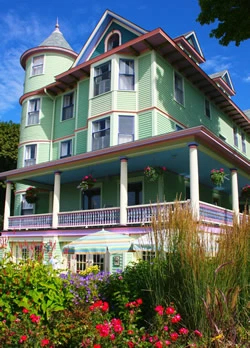
Stay at Inn on Mackinac within the Historic Marina District. The Victorian inn sits along Main Street, just outside downtown.
Explore nearby shoreline paths, harbor views, shops, and historic attractions. Check current room availability through the official Inn on Mackinac website.
Category: Mackinac Island