How Mackinac Island Manages Its Famous Lilac Bushes: Conservation & Care
Mackinac Island is famous for many things. Fudge, bikes, and grand old porches come to mind. But in spring, one thing steals the show: the lilacs.
These are not ordinary bushes. Some are among the oldest lilacs in the country. Their scent fills the whole island each June.
Behind that beauty is real work. People care for these plants with great love. This is the story of how the island keeps its lilacs thriving.
The Lilacs That Made an Island Famous
Lilacs are woven into island life. They line the streets and shade the yards. Locals and visitors treasure them alike.
Many of the bushes are huge and old. Their trunks are thick, twisted, and gnarled. They look more like small trees than shrubs.
How the Lilacs Arrived
The story goes back more than two centuries. Early settlers likely brought lilacs from New England. They planted them near their island homes.
Those first plants took hold and spread. Families passed cuttings from yard to yard. Over time, lilacs became part of the island’s identity.
Today, that history still stands in living wood. Some bushes trace back generations. Each spring, they bloom as they did long ago.
Writers and travelers noticed the lilacs early. The plants appear in old island journals and letters. That paper trail helps tell their long story.
Because the island grew slowly, the lilacs endured. There were no big roads or new buildings. The old bushes were left to grow in peace.
Among the Oldest in the Country
Mackinac’s lilacs are famous for their age. Many experts call them some of the oldest in the nation. A few of the giants are truly remarkable.
The tallest old lilacs tower overhead when they bloom. Their size surprises first-time visitors. It takes a long life to grow that large.
Most lilacs elsewhere stay small and shrubby. On Mackinac, many have grown into towering forms. That rare size is part of their fame.
People travel far just to see them. Garden lovers come to study the old giants. Few places on earth offer a sight like this.
(Exact ages, heights, and plant counts vary by source and should be verified before publishing.)
Why Lilacs Thrive on Mackinac Island
Not every place grows lilacs this well. Mackinac Island has a rare mix of conditions. Together, they create a lilac paradise.
The Magic of Limestone Soil
The island sits on limestone bedrock. This makes the soil high in pH. Lilacs love that kind of ground.
The soil is also shallow and well drained. Lilac roots do not like to sit in water. This island gives them exactly what they need.
Cool Air and Lake Breezes
Lilacs prefer a cool, temperate climate. Mackinac Island delivers that in full. The Great Lakes keep the air mild.
Steady lake breezes help the plants stay healthy. The cool nights support strong, slow growth. That slow growth builds long, sturdy lives.
The island’s late spring also helps. Lilacs bloom here after most of the mainland. That gives visitors a second chance to catch them.
How the Island Cares for Its Lilacs
Old lilacs do not care for themselves. They need steady, skilled attention. The island takes that duty seriously.
Pruning and Everyday Care
Good pruning keeps a lilac strong. It removes dead wood and shapes new growth. Done right, it helps the plant bloom for years.
Old lilacs need an especially careful hand. A bad cut can harm a century-old plant. So trained gardeners guide the work.
Care also means watching for pests and disease. A healthy lilac resists trouble better. Early attention keeps small problems small.
Watering and soil care matter too. Even tough lilacs need support in dry spells. Gardeners give young plants extra help.
Learning From the Experts
The island shares its lilac knowledge openly. During peak season, experts lead public sessions. They teach both locals and guests.
These talks cover planting and pruning tips. They explain how to keep old lilacs alive. Visitors leave with real, useful advice.
This teaching does more than spread know-how. It builds a community that values the plants. That shared care helps the lilacs survive.
The Challenges of Caring for Old Lilacs
Caring for ancient lilacs is not easy. The old plants face real threats. The island must plan for each one.
Aging Giants
Even the toughest lilac has a lifespan. The oldest bushes are now very old. Age alone makes them fragile.
An old lilac can lose limbs in a storm. It may bloom less as the years pass. Gentle care helps it last much longer.
Weather and Pests
Big storms can crack heavy old branches. Wind and ice test the tallest plants. Crews check for damage after rough weather.
Pests and disease are a threat too. A sick plant can spread trouble to others. Quick action protects the whole group.
Protecting the Lilacs for the Future
Loving the lilacs today is not enough. The island also plans for tomorrow. Preservation is now a serious effort.
The Lilac Preservation Effort
Mackinac Island works with lilac experts and groups. One key partner is the International Lilac Society. Together they run a long-term preservation project.
A special fund also supports this work. It helps care for the health and history of the plants. Money goes toward study, care, and replanting.
The goal is simple but vital. Keep the old lilacs alive as long as possible. And make sure new ones grow to replace them.
This work takes many hands and years. Experts, city crews, and volunteers all help. Their care adds up over time.
It also takes steady funding and study. Each season brings new lessons. The island learns and adapts as it goes.
Tagging and Tracking Each Plant
Part of the project is careful record-keeping. Volunteers tag individual lilac plants. Each tag helps track that plant’s health.
This turns a hunch into real data. Experts can see which plants struggle. Then they can step in with the right care.
The long-term dream is a true “lilac haven.” It would protect the plants and teach the public. Every tagged bush is a step toward that goal.
Planting the Next Generation
Old lilacs cannot live forever. So the island grows new ones too. Young plants are added over time.
Some come from cuttings of the old bushes. This passes on the same heritage lilacs. The island’s story lives on in new wood.
New plantings keep the collection strong. They fill gaps left by lost bushes. In time, they will become the old giants.
The Lilac Festival: Celebration and Care
Each June, the island throws a lilac party. The Lilac Festival has run since 1949. It is one of the island’s oldest traditions.
The festival is a joyful, blooming celebration. But it is more than a pretty event. It also supports the care of the plants.
Fun That Funds Preservation
The festival draws visitors from all over. That attention shines a light on the lilacs. It also helps raise support for their care.
Walking tours and seminars run during the event. Guests learn the history and the care methods. The party and the preservation work hand in hand.
A Ten-Day Bloom Celebration
The festival runs for about ten days each June. It fills the island with color and scent. Parades, music, and tours mark the days.
The timing follows the peak bloom. Nature and the calendar work together. Visitors come to catch the flowers at their best.
Why the Lilacs Matter to the Island
The lilacs are more than pretty plants. They are a link to the island’s past. They tie today’s community to its roots.
Locals grow up among these old bushes. Many have a favorite lilac near home. The plants hold quiet, personal meaning.
The lilacs also draw visitors each year. That brings life and support to the island. In a real way, the flowers help sustain the community.
Caring for them is a shared point of pride. It shows how the island values its heritage. Protecting the lilacs protects a piece of history.
The lilacs also mark the seasons for the island. Their bloom signals the start of summer. Their scent is a yearly welcome to visitors.
In this way, the plants shape island culture. They inspire art, festivals, and photos. Few flowers mean so much to one place.
How Visitors Can Enjoy the Lilacs Responsibly
You do not need to be a gardener to help. Every visitor can protect the lilacs. It starts with simple, kind choices.
Best Time and Places to See Them
Lilacs bloom in late spring, peaking in June. That is when the scent is strongest. Plan a spring trip to catch the show.
You will find lilacs all over the island. They line streets, yards, and parks. A slow walk reveals the biggest and oldest ones.
Early morning is a lovely time to look. The light is soft and the paths are quiet. You can enjoy the scent without the crowds.
Ask a local or a guide for tips. They can point you to the grandest bushes. Some of the best ones sit off the main street.
Simple Ways to Help
Enjoy the blooms, but treat them with care. These small acts make a real difference:
- Do not break or cut branches for keepsakes.
- Take photos instead of picking flowers.
- Stay on paths and respect private yards.
- Support festival tours and preservation efforts.
- Learn the plants’ story and share it with others.
These choices cost you nothing. Yet they help the lilacs live on. Future visitors will thank you for it.
Come See the Island’s Lilacs for Yourself
Mackinac Island’s lilacs are a living treasure. They connect the past, the present, and the future. Caring for them keeps the island’s spirit in bloom.
When you visit, take a moment with them. Notice the old trunks and the sweet scent. You are seeing living history in full flower.
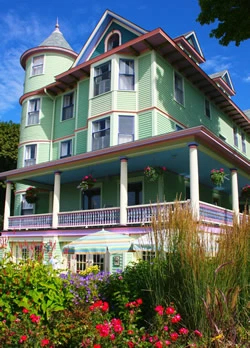
There is no better way to enjoy them than up close. Stay at the Inn on Mackinac, just steps from the island’s lilac-lined streets and gardens. Book your spring or summer stay today, and breathe in the scent of one of America’s oldest lilac collections.
Category: Mackinac Island