How Mackinac Island’s Economy Works Without Cars or Chain Stores
Mackinac Island runs on its own rules. There are no cars and no national chains. Yet the island supports shops, hotels, and hundreds of jobs.
At first, this seems almost impossible. How does a car-free island stay in business? The answer is a careful, unusual economy.
This guide explains how it all works. You will learn what drives the island’s money. You will also see why prices and seasons matter so much.
A One-of-a-Kind Island Economy
Most towns rely on cars, chains, and year-round trade. Mackinac Island relies on none of those. Its economy stands apart from the mainland.
The island trades on charm, history, and calm. Visitors come for the very things it protects. That protection is also its business model.
Built Almost Entirely on Tourism
Tourism is the engine of the whole island. Most money here comes from visitors. Hotels, shops, and restaurants all depend on them.
The island draws large crowds each year. Estimates often put it near a million visitors. That flow of guests funds nearly everything.
Because of this, the island guards its appeal. Clean streets and old charm bring people back. Every rule serves that larger goal.
A Short, Intense Season
The island earns most of its money fast. The busy season runs from spring to fall. Summer, especially July and August, is the peak.
Businesses must make the year’s income in months. A slow summer can hurt for a long time. So the pace in season is intense.
This creates a boom-and-quiet rhythm. The town buzzes in July, then empties by winter. Locals plan their whole year around it.
Weather Can Make or Break a Season
The island’s income depends on the weather. Warm, sunny weeks bring big crowds. A rainy stretch can dent monthly sales.
Storms and rough water add more risk. Bad weather can cancel ferries and trips. Fewer boats mean fewer paying guests.
So businesses watch the forecast closely. A strong holiday weekend matters a lot. Each good day helps carry the slow ones.
Why There Are No Chain Stores
You will not find big national chains here. There are no fast-food signs on Main Street. That absence is a choice, not an accident.
Keeping Business Local
The island favors local, family-owned businesses. Many shops have run for generations. Owners often know their guests by name.
This keeps money and character on the island. Profits support island families, not distant firms. It also keeps each shop feeling unique.
The result is a downtown full of one-of-a-kind stores. You find handmade goods and small-batch treats. No two visits feel exactly the same.
Local ownership also builds long loyalty. Families return to the same shops for years. Those bonds keep the small businesses strong.
What Visitors Notice
Guests often notice the difference right away. The shops feel personal and rooted. Service comes with real local knowledge.
This local flavor is part of the draw. People travel here to escape the ordinary. The lack of chains helps deliver that escape.
A Downtown That Stays Distinct
Because chains are absent, the look stays consistent. Old storefronts keep their historic charm. Nothing clashes with the island’s past.
This visual harmony is a business asset. It makes the whole town feel like a set. Guests happily pay to experience that world.
How Car-Free Life Shapes the Economy
No cars changes far more than traffic. It reshapes how goods and money move. Every product must reach the island a different way.
Everything Arrives by Boat
Freight comes across the water by ferry. Then horse-drawn drays haul it through town. Bikes and hand carts finish the job.
This system is charming but slow. It takes planning to keep shelves full. Businesses order early and store carefully.
In winter, deliveries get even harder. Ice can slow or stop the boats. Shops must stock up before the freeze.
Even fuel and building supplies arrive this way. Heavy loads take real effort to move. A simple delivery becomes a small project.
This is why timing matters so much here. A missed shipment can leave shelves bare. Owners learn to plan weeks ahead.
The Cost of Island Goods
Moving goods this way costs money. That cost shows up in island prices. A meal or souvenir often costs more here.
Visitors sometimes wonder why prices climb. The answer is the extra work behind each item. Every box is handled many times.
Labor and short seasons add to the cost too. Businesses must earn enough in a few months. Prices reflect that tight window.
Waste Leaves the Same Way
Goods come in, and trash goes out. Both move by dray, boat, and careful sorting. This adds cost that stores must cover.
The island recycles and composts a lot. It has to, since space is limited. This tidy system is quiet but costly.
The Businesses That Drive the Island
A few key industries carry the island. Together they form its economic core. Each one leans on the summer crowds.
Fudge, Lodging, and Dining
Fudge is famous here for good reason. The shops draw crowds and strong sales. Fudge alone brings in serious yearly revenue.
Lodging is another major pillar. Inns and hotels fill up all summer. Guests stay, dine, and shop while they visit.
Restaurants and cafés round out the mix. They feed the constant stream of day-trippers. Food service is a huge local employer.
Bikes, Carriages, and Tours
Getting around is its own industry here. Bike rentals stay busy all summer. Horse-drawn carriages serve as taxis and tours.
These services earn steady money too. They also support stables, guides, and drivers. Transport is woven into the island economy.
Property and Cottages
Real estate plays a quiet, big role. Historic cottages line the famous bluffs. Owning here is rare and highly prized.
Property brings taxes and upkeep spending. Owners hire local crews and services. That money circles back into the island.
The People Behind the Counter
Seasonal workers keep the island running. Many are young or come from far away. They arrive each spring to staff the town.
Housing for these workers is tight. Employers often provide shared dorms. Their labor makes the busy season possible.
When fall comes, most workers leave. The island’s population drops sharply. A small year-round community remains.
This yearly swing is dramatic. Summer crowds can number in the thousands. Winter leaves only a few hundred residents.
Managing that swing takes real skill. Businesses ramp up fast each spring. Then they wind down just as quickly in fall.
The Quiet Winter Economy
Winter is a different world on the island. The crowds are gone and shops close. The economy shifts into a slow gear.
A small group of residents stays behind. They keep key services running all year. Life becomes quiet, close, and self-reliant.
Some income still trickles in during winter. A few events and hardy visitors help. But most businesses simply rest and prepare.
This off-season pause is part of the cycle. It gives the island time to recover. Then spring restarts the whole engine again.
Preparing for the Next Season
Winter is also a time to plan. Owners repair buildings and restock supplies. They get ready for the spring rush.
Some hire and train new staff early. Others plan menus, events, and displays. The quiet months set up the busy ones.
How the Island Protects Its Unusual Economy
This model does not survive by luck. The island works hard to protect it. Rules and traditions guard the whole system.
Rules That Preserve the Charm
Strong preservation rules shape every change. New buildings must fit the historic look. This keeps the island’s appeal intact.
The car ban is the most famous rule. It has stood for well over a century. That choice defines the island brand.
A Community That Buys In
Locals believe in protecting the island. They know their income depends on it. So they support the rules that keep it special.
Businesses cooperate more than they compete. A strong island helps everyone succeed. That shared interest keeps the model alive.
What the Island’s Model Means for Visitors
Understanding the economy helps you travel better. It explains the prices and the pace. It also deepens your respect for the place.
Your spending directly supports island families. Each purchase helps a small local business. That impact is bigger here than in most towns.
A few simple choices go a long way. Buy local, tip fairly, and shop small. Your dollars help keep the island thriving.
Booking an overnight stay helps even more. Day-trippers spend less than guests who stay. An extra night supports many local jobs.
The car-free, chain-free model is fragile and rare. It survives because visitors value it. In a real sense, you help sustain it.
Experience the Island’s Local Charm for Yourself
Mackinac Island proves an economy can run on character. No cars and no chains have not held it back. Instead, they have made it special.
It is a rare example worth seeing up close. Few places have protected their character so well. That is a big part of the island’s charm.
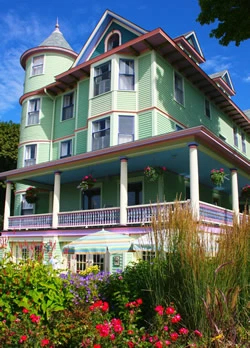
The best way to understand it is to visit. Walk the local shops and meet the owners. Stay at the Inn on Mackinac, a family-friendly base in the heart of downtown. Book your stay today, and become part of the island’s one-of-a-kind story.
Category: Mackinac Island