How Tourism Changed Transportation on Mackinac Island
Introduction
On Mackinac Island, visitors leave their cars on the mainland. They arrive by ferry and explore on foot or by bike. Horse-drawn carriages still move people through the island’s streets. Yet travel here looked very different long ago. People once came for trade, work, and military needs. As more guests arrived, the ways people traveled began changing. Boats carried more passengers, and carriage rides became popular. New routes also helped families plan summer trips. This story shows how tourism shaped travel on Mackinac Island. It also explains why old ways still matter today.
Before Tourism: Early Ways to Reach the Island
Long before there were hotels, people traveled here by water. Native communities used canoes across the Great Lakes for many needs. They fished, traded goods, and visited family along these routes. Birchbark canoes were light enough to move between waterways. These trips helped link the island with nearby shores.
Later, French and British traders used many of the same routes. Canoes carried furs and food between places along the lakes. Larger sailing boats brought people and supplies from farther away. Soldiers also needed boats to reach the island and its forts. They moved food, tools, and other goods across the water. At that time, travel mostly served trade and daily life.
Bad weather could delay a trip for days. Strong winds made open water hard to cross safely. There were no quick ferry rides for summer guests. Still, these early water routes laid the groundwork for tourism. They showed how the island could stay linked to shore.
How Steamships Helped Tourism Grow
In the 1800s, more people came here for summer breaks. They wanted fresh air, lake views, and time away from cities. Steamships made the trip easier for many guests. These larger boats carried groups across the Great Lakes. Some routes linked the island with busy mainland ports.
Trains helped people reach those ports from farther inland. Guests could then board a boat for the last leg. This made a trip easier to plan than before. More visitors meant more demand for rooms and places to eat. Local businesses grew as the summer crowds came back.
Grand Hotel opened in 1887 during this period of growth. It became part of the island’s growing summer resort scene. Rail and steamship links helped bring guests to the area. Visitors no longer came only for work or trade. Many came to rest, enjoy views, and spend time outdoors. The rise of tourism changed both travel and island life.
How Carriages Became Part of the Visitor Experience
Horses were useful on Mackinac Island long before sightseeing tours. They pulled wagons with food, bags, and other goods. Drivers also helped people move between docks and local buildings. These rides met real needs for the people living here.
As summer tourism grew, visitors wanted rides for fun too. Carriage tours gave guests a way to see more places. They could enjoy the views without walking every road. The first carriage license on the island dates to 1869. That date marks an early step in this local trade.
Over time, carriage rides became a key part of visits. Drivers carried guests past shops, homes, and scenic spots. The tours gave local workers another way to earn money. They also helped set the island apart from other resorts. Today, a carriage ride still links guests with the past.
Why Cars Were Kept Off Island Roads
Cars began spreading across America in the late 1800s. But horses still carried people and goods on the island. Early cars made loud sounds and could scare the horses. That raised concerns for drivers and riders on narrow roads.
In 1898, the village banned cars from its streets. The state park also banned cars in 1901. These rules helped protect horse travel at the time. They also shaped the way guests would see the island. Carriages and bikes kept their place in daily travel.
The rules did not begin as a plan to attract tourists. Horse safety was an important reason for the early bans. Yet the car-free setting later became a major draw. Guests could hear hooves instead of busy road traffic. That quiet feel still makes a visit seem special. A few service and emergency vehicles are allowed today.
How Ferries and Roads Made Visits Easier
The Mackinac Bridge and Road Trips
By the 1900s, more families took trips by car. They drove north to enjoy lakes, parks, and summer stays. But crossing the straits could slow a road trip. The Mackinac Bridge opened in 1957 and changed that. It joined Michigan’s Upper and Lower Peninsulas by road. Visitors could now drive more easily to nearby ferry ports. The bridge did not bring cars onto Mackinac Island. It made reaching the boats easier from either side.
Passenger Ferries and Island Arrivals
Ferries remain the main way most guests reach the island. Boats carry passengers from Mackinaw City and St. Ignace. More summer visitors brought a need for steady boat service. Ferry trips help guests plan when to arrive and leave. They also support hotels, shops, and other local businesses.
The ride across the water is part of the trip. Guests see the shore before walking onto car-free streets. Ferries also help move bags and needed goods. In this way, modern boats still serve old needs. They connect island life with the people on shore.
How Visitors Travel on Mackinac Island Today
Today, most guests move around without a personal car. Many walk from the ferry docks into town. Others rent bikes to see more of the island. The road around the shore is a favorite bike route. People can stop for lake views along the way.
Horse-drawn carriages also help guests get around town. Some rides serve as tours, while others work like taxis. These services give local workers jobs during the busy season. Boats, bikes, and carriages each play a different role. Together, they make travel part of the island’s charm.
Enjoy This Travel History During Your Stay
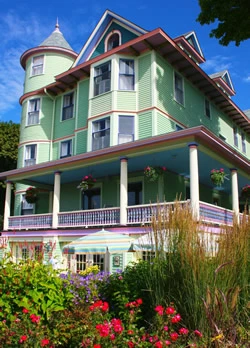
You can see this history during a simple weekend trip. Ride the ferry, stroll downtown, or take a carriage tour. A bike ride offers another view of the island. Staying nearby gives you more time to explore at ease. Inn on Mackinac offers a base for your island visit. Plan your stay and enjoy the car-free way of life.
Conclusion
Tourism changed travel on Mackinac Island in many clear ways. Steamships brought more guests, and carriages grew into popular tours. Roads and ferries later made visits easier to plan. Yet the island kept its old style of local travel. That mix of past and present is worth seeing firsthand.
Category: Mackinac Island