Mackinac Island During Prohibition: Rum Running & Hidden Island Stories
Introduction
Mackinac Island is known for its calm, old-world charm. Think fudge shops, horses, and quiet porches. But the island has a wilder side to its past. During Prohibition, it sat at the heart of a smuggling world.
In the 1920s, alcohol was illegal across America. Yet the drinks never really stopped flowing. Fast boats, hidden coves, and daring runners kept them coming. Mackinac Island played a real part in that story.
This guide dives into that hidden history. You will learn how liquor moved through the Straits. You will see the island’s surprising role in it all. It is a side of Mackinac few visitors know.
What Was Prohibition?
Prohibition was a nationwide ban on alcohol. It ran in the United States from 1920 to 1933. Making, selling, and moving liquor became a crime. The goal was a soberer, safer nation.
The plan did not work as hoped. Demand for alcohol stayed very high. Instead of stopping drinking, the ban pushed it underground. A huge black market rose up almost overnight.
That black market needed supply routes. Smugglers looked for quiet paths to move liquor. The Great Lakes offered the perfect highway. And Mackinac Island sat right in the middle of it.
Michigan knew this issue early on. The state banned alcohol before the nation did. That ban took effect in 1918, two years ahead. So the region had a head start on the trade. (Verify exact Michigan dates before publishing.)
Why the Straits Were Perfect for Smuggling
Location made the Straits of Mackinac ideal. To the north lay Canada, where liquor was legal. That put a legal supply close to a thirsty market. The temptation was simply too strong.
A Watery Maze
The region is full of islands and channels. The St. Mary’s River is a true maze of waterways. Smugglers used these twists to hide and escape. It was hard for the law to patrol it all.
Close to Canada
Canadian whiskey poured toward the border. Private boats picked it up and raced south. The short water gap made runs quick. A fast boat could cross before anyone noticed.
A Known Resort Crowd
Mackinac was already a famous resort. Wealthy guests filled its grand hotels. Many of them still wanted their drinks. That created steady local demand on the island itself.
Lake Huron: The Main Liquor Highway
Lake Huron was the busiest smuggling route of all. By some estimates, it carried most of the illegal liquor entering the country. That is a stunning share for one lake. It shows how central this region was.
The lake connected Canadian supply to American cities. Boats moved liquor south night after night. The Straits acted as a key gateway. Whatever passed through often touched this area.
This traffic was huge and well organized. It was not just a few small-time runners. Real networks moved serious volumes of liquor. The money involved was enormous.
What They Smuggled and How
Canadian whiskey was the prized cargo. Runners also moved rum, beer, and wine. Strong liquor was the top seller. It packed the most value per trip.
The methods were clever and bold. Runners hid bottles in secret boat compartments. Some sank crates on ropes below the surface. They could haul the load up later.
Winter brought a whole new trick. The Straits could freeze thick and solid. Then runners moved cargo across the ice. Cars and sleds crossed under cover of dark.
Every method carried real danger. Ice could crack without any warning. Engines could stall in freezing water. Yet the profits kept the runs going.
Mackinac Island’s Role in the Trade
The island was more than a passing point. It served as a staging area for liquor runs. Boats could land goods and regroup here. Then the liquor moved on toward the cities.
From the Island to the Cities
Liquor landed near the island did not stay long. Much of it was shipped south to big markets. Reports tie it to Chicago’s most famous crime boss. Other loads reportedly reached gangs in Detroit.
That gives the quiet island a bold backstory. It briefly linked to some of the era’s biggest names. The peaceful streets hid a national trade. Few guests likely knew the full scope.
Drinks at the Grand Hotel
The famous Grand Hotel was not left dry. Liquor still reached its halls, stories say. Guests reportedly enjoyed drinks and even gambling. The party did not fully stop here.
This paints a vivid picture of the times. Even a grand resort bent the rules. The demand for a good time won out. Prohibition was law, but not always practice. (Verify specific Grand Hotel claims before publishing — these come from popular local histories.)
The People Behind the Runs
The rum runners were a bold bunch. They needed nerve, speed, and local know-how. Many were ordinary people chasing quick money. Others were part of larger criminal rings.
Fast Boats and Cold Nights
Speed was everything in this trade. Runners used fast boats to outrun the law. They often moved under the cover of darkness. Cold, rough water made every run risky.
Blurred Lines of the Law
The law itself was not always clean. Some reports say a few officials looked away. A share of the liquor slipped by with help. Temptation reached both sides of the chase.
This messy truth is part of the story. Prohibition tested people in strange ways. The line between hero and outlaw blurred. It was a confusing, colorful time.
The Chase on the Water
The law did try to fight back. The Coast Guard patrolled the busy waters. Agents chased fast boats through the night. It became a tense game of cat and mouse.
Runners learned every trick to escape. They knew the coves and hidden channels. They ran dark with no lights showing. Local knowledge often beat the patrols.
Sometimes the chase turned dramatic. Boats raced at high speed in the dark. Cargo was dumped to lighten the load. Many runs ended in narrow escapes.
Still, plenty of runners were caught. Boats were seized and liquor was destroyed. Some faced fines or time in jail. The risk was always part of the trade.
How Prohibition Shaped the Region
Prohibition left a mark on the whole area. It boosted a hidden, cash-rich economy. Small towns and islands felt its pull. The Straits gained a daring reputation.
When the ban ended in 1933, the runs faded. Legal liquor returned to shelves and bars. The smuggling networks slowly broke apart. But the wild stories stayed behind.
Today those tales add color to local history. They remind us the island was not always sleepy. It once sat on a national crime map. That contrast makes the past feel alive.
Tracing the Prohibition Story Today
You cannot tour a “rum runner museum” on the island. But you can still feel the history around you. A little imagination brings it to life.
- Stand by the harbor. Picture fast boats slipping out at night.
- Visit the Grand Hotel. Imagine its lively, rule-bending era.
- Look out at the Straits. See the water highway smugglers used.
- Ask local guides. Many share fun tales of the era.
- Read up first. Local histories add rich background.
These simple stops turn a normal walk into a story. The island rewards a curious mind. Its calm surface hides a bold past.
A Quiet Island With a Bold Past
Mackinac Island is peaceful today, and that is its charm. But its Prohibition history adds real depth. It was once a link in a daring liquor trade. That story makes the island even more fascinating.
Knowing this past changes how you see the place. The harbor and hotels gain new meaning. You sense the drama beneath the calm. History like this is worth savoring.
So come explore both sides of Mackinac. Enjoy the fudge, the horses, and the views. Then picture the fast boats of the 1920s. The island holds far more than meets the eye.
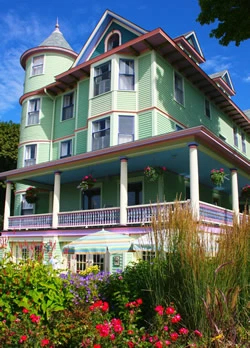
When you plan your visit, choose a stay full of island character. The Inn on Mackinac places you steps from the historic harbor and downtown. It is a warm, welcoming base for exploring the island’s rich past. Book your stay at innonmackinac.com and step into Mackinac’s storied history.
Category: Mackinac Island