Mackinac Island During World War II: The Island’s Little-Known Home Front Story
Mackinac Island is famous for horses, fudge, and Victorian charm. Few people think of it as a place shaped by war. Yet the island has a quiet World War II story worth telling.
It is not a tale of battles or bombs. The island saw none of those. Instead, it is a story of small changes, empty hotel rooms, and one famous meeting. That meeting helped change how America saw the world.
Here is the little-known home front story of Mackinac Island during the war years.
An Island at Peace While the World Was at War
By the time World War II began, Mackinac Island was already a resort town. Tourists came each summer for fresh air and calm. The war did not stop that life, but it did slow it down.
The island had no factories to build tanks or planes. It had no army base full of troops. Life here stayed gentle, even as the war raged overseas.
Still, the island felt the war in its own quiet ways. Like every American town, it did its part. It just did so with horses instead of cars.
The Fort Was Already Quiet
Many visitors expect Fort Mackinac to have a big war role. After all, it sits high on the bluff above town. But the fort was already closed long before World War II began.
A Century of Soldiers
Fort Mackinac has a long military past. British troops built it during the Revolutionary War. American soldiers later took it over.
For more than 100 years, soldiers lived and worked there. They guarded the Straits of Mackinac. They kept watch over the busy shipping lanes below.
The fort saw action in the War of 1812. After that, it settled into a calmer role. It became a peaceful garrison and a customs post.
Why the Army Left
By the late 1800s, the fort had little military use. The frontier had moved far to the west. The cost of keeping soldiers there was high.
So the Army made a choice. In 1895, the last troops marched out for good. An officer led the final soldiers down the hill in a simple ceremony.
That was more than 40 years before World War II. So when the war came, the fort stood empty of troops. It had already become a historic site, not a fighting post.
The War Reached the Island in Quiet Ways
The war did not skip Mackinac Island. It simply arrived softly. The biggest changes touched daily life, food, and travel.
Rationing and the Fudge Problem
Like all Americans, islanders lived with rationing. The government limited many goods during the war. Sugar was one of the first items on the list.
For most towns, sugar limits were a small pain. For Mackinac Island, they were a real threat. The island’s fudge shops depend on sugar to make their famous treat.
Less sugar meant less fudge. The candy shops had to cut back during the war. It was a strange problem for a place known worldwide for sweets.
The shops made it through those lean years. When the war ended, sugar flowed again. The fudge kitchens soon fired back up, and business boomed.
Fewer Visitors and Lower Rates
Travel got harder during the war. Gas was rationed, and rubber for tires was scarce. Many families could not drive north for a vacation.
That hit the island’s tourism hard. Hotels saw fewer guests each summer. Rooms that once sold fast now sat empty.
The Grand Hotel felt this drop sharply. Before the war, a room could cost more than twenty dollars a night. During the war, rates fell to just a few dollars.
The hotel stayed open, but the crowds thinned. It was a lean time for the island’s main business. Yet the island held on and waited for better days.
How Islanders Did Their Part
The people of Mackinac Island joined the war effort too. They did the same things as folks across the country. Small acts added up to real help.
Families bought war bonds to help pay for the fight. Neighbors saved scrap metal and rubber for reuse. Many planted victory gardens to grow their own food.
Young island men left home to serve. Some joined the Army, others the Navy. Their families waited for letters and hoped for safe returns.
These were quiet acts of duty. They did not make headlines. But they showed that even a tiny island cared about the larger cause.
The Straits Stayed Vital to the War
The island sits in the middle of a busy waterway. The Straits of Mackinac link Lake Huron and Lake Michigan. Ships pass through these waters day and night.
During the war, that route was more than pretty scenery. It was a lifeline for the nation. Great Lakes freighters carried iron ore south to the mills.
That ore became the steel for ships, tanks, and guns. The flow of ore through the Great Lakes was key to victory. So the whole region drew extra care and watchful eyes.
The famous Soo Locks lay just to the north. They were among the most guarded spots in the country. The Straits near Mackinac formed part of this vital chain.
From the island’s shore, the freighters looked calm and slow. But their cargo helped power the war machine. The quiet island had a front-row seat to a great effort.
The 1943 Meeting That Made History
The island’s biggest wartime moment did not involve soldiers. It involved politicians. In September 1943, the war was still raging. Leaders needed to think about the peace that would follow.
That fall, a group of top Republicans came to Mackinac Island. They met at the Grand Hotel. Their goal was to plan the party’s future stand on world affairs.
Who Came to the Island
The meeting was led by Michigan Senator Arthur Vandenberg. He was one of the most powerful voices in his party. The event drew other big names too.
Governors and senators traveled to the quiet island. Thomas Dewey of New York was there. Earl Warren of California came as well. Senator Robert Taft of Ohio joined them.
They gathered on an island with no cars, far from the noise of Washington. The calm setting gave them room to think and talk. Horse carriages carried these national leaders through town.
Why the Meeting Mattered
Before the war, many Republicans wanted America to stay out of world affairs. This view was called isolationism. It meant keeping to ourselves and avoiding foreign ties.
The Mackinac meeting helped shift that view. The leaders agreed America should join in building a lasting peace. They backed the idea of a new world group to keep order after the war.
This was a big change. Senator Vandenberg himself moved away from isolationism. His new stand helped shape the future of the country.
The ideas from Mackinac echoed for years. They helped the party support the United Nations later on. They even paved the way for support of NATO. A small island meeting had a large and lasting effect.
Why an Island Made the Perfect Setting
It may seem odd to pick a small island for big talks. Yet Mackinac was a smart choice. The setting helped the leaders focus.
The island has no cars and no rush. Its slow pace calms the mind. That made it easier to trade ideas and find common ground.
The Grand Hotel offered space and comfort too. It had rooms for meetings and meals in one place. Guests could talk on the long porch or stroll the grounds.
The island was also far from the crowds of Washington. Reporters and lobbyists could not swarm the halls. The leaders had room to think in peace.
In many ways, the island’s charm shaped the meeting. The same calm that draws vacationers helped shape history. It proved that great ideas can grow in quiet places.
Life Returns After the War
When the war ended in 1945, the island came back to life. Travel limits fell away. Families could once again make the trip north.
The change was fast and welcome. Ferries filled with visitors again. Hotels reopened their doors to full houses.
Hollywood Comes Calling
The postwar years brought a bright new spotlight. In 1946, a Hollywood film crew arrived on the island. They came to shoot a musical movie.
The film was “This Time for Keeps.” It starred swimming champion Esther Williams. It was the first major movie ever filmed on Mackinac Island.
The crew shot scenes downtown and at the Grand Hotel. They even used the hotel’s large pool. That pool later took Esther Williams’ name in her honor.
The movie showed off the island’s beauty to the whole country. It helped draw a new wave of curious travelers. The war years were fading fast.
The Tourism Boom
The late 1940s brought a rush of new guests. People had money to spend and a longing to travel. The island was ready to welcome them.
Fudge shops ran their kettles at full speed. Hotels raised their rates as rooms filled up. The horses and carriages stayed busy all season long.
The lean war years were over. The island had held on through hard times. Now it entered one of its brightest and busiest chapters.
Walk the Island’s Wartime Past Today
You can still feel this history when you visit. Stand on the bluff at the old fort. Picture the last soldiers marching out long ago. Stroll past the Grand Hotel, where leaders once planned the peace.
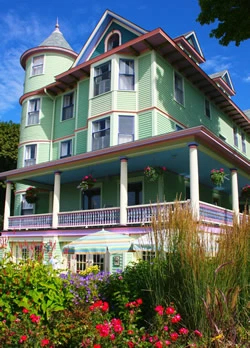
The best way to soak up this story is to stay a while and explore. Book your visit at Inn on Mackinac, just steps from Main Street and the historic sites. Let the island’s quiet charm and rich past make your trip one to remember. History feels close here, and the view has hardly changed.
Category: Mackinac Island