Mackinac Island Food History: A Culinary Timeline Through the Decades
Introduction
Mackinac Island is famous for its scenic beauty and rich history. But food also plays a big role in its charm. Every bite on the island tells a story of the past.
This small island in Michigan has no cars and lots of tradition. Its unique food journey began long before tourists arrived. Over the decades, the flavors have changed. But many old tastes remain a part of island life.
In this part of the timeline, we explore the early food roots. From native meals to Victorian-era feasts, Mackinac Island’s history is full of flavor.
1800s: Indigenous Roots and Frontier Fare
Long before restaurants, the land provided everything people needed to eat. The Anishinaabe tribes, like the Ojibwa and Odawa, lived close to nature. They fished the waters and gathered wild plants.
Common ingredients included:
- Fresh-caught whitefish and trout
- Wild rice from nearby marshes
- Berries like blueberries and raspberries
- Maple syrup tapped from local trees
Cooking was simple but smart. Stews were made over open fires. Fish was often smoked or roasted.
As French and British settlers arrived, food traditions began to mix. Soldiers and fur traders brought preserved meats and breads. Trade brought in flour, salt, and dried beans.
This era created a base for the island’s food culture—simple, seasonal, and local.
Early 1900s: Victorian Influence & Grand Hotel Era
By the late 1800s, Mackinac Island became a summer escape. Wealthy visitors arrived by boat to relax and dine in style. The opening of the Grand Hotel in 1887 changed everything.
The hotel introduced fine dining and luxury meals. Menus included:
- Five-course dinners
- Afternoon tea with sweets
- Imported wines and cheeses
- Elegant table service with white linens
This time brought elegance to the island’s food scene. Victorian tastes meant fancy meals with many courses. The Grand Hotel helped turn eating into a special event.
Today, some of these traditions still live on. Dining on Mackinac is still a big part of the island experience.
1940s–1960s: Mid-Century Simplicity & Summer Vacations
After World War II, travel became more common across America. Families packed their bags for relaxing summer vacations. Mackinac Island, with its peaceful charm, was a top choice.
Food during this time was simple and filling. It was the age of picnics, diners, and soda fountains. Many visitors enjoyed meals outdoors with lake views and fresh air.
Popular foods from this period included:
- Burgers and hot dogs from roadside grills
- Potato salad, coleslaw, and deviled eggs for picnics
- Ice cream cones and milkshakes on warm summer days
- Classic sandwiches with chips served at casual cafés
Local restaurants began catering to tourists more directly. Many places focused on quick, familiar meals that made families feel at home. You could enjoy a full lunch in a cozy diner or grab a snack while biking the island.
This era also saw the rise of seasonal food vendors. These small stands offered fun treats and refreshing drinks, perfect for warm afternoons.
1970s–1990s: Mackinac Fudge Craze and Culinary Identity
During the 1970s, one sweet treat became the island’s top food star—fudge. While fudge was made earlier, this era turned it into a full-blown tradition.
Visitors became known as “Fudgies”—a nickname for tourists drawn to the island’s famous sweets. Fudge shops lined the streets and competed for the best flavors.
Why did fudge become so popular?
- It was easy to watch being made in the shop window
- The sweet smell filled the air and drew in crowds
- Shops offered free samples to passersby
- Flavors ranged from classic chocolate to peanut butter swirl
Families would often take home boxes of fudge as souvenirs. Some even returned each year for their favorite shop’s treats.
Fudge became more than candy—it became part of the Mackinac Island experience.
2000s–Present: Local Ingredients and Modern Dining
In recent years, Mackinac Island’s food scene has grown and changed. While history still plays a role, today’s menus are fresher and more creative.
Many chefs now focus on local and seasonal ingredients. The island’s location near the Great Lakes offers great access to fish and produce.
Fresh whitefish is a local favorite and appears on many menus. Restaurants often serve it grilled, smoked, or fried in light batter.
Visitors can now find meals that balance old and new:
- Salads with local greens and fruit
- Whitefish tacos with modern flavors
- House-made breads and jams
- Vegetarian and gluten-free options
Farm-to-table ideas are more common. Chefs want guests to taste real Michigan ingredients. This keeps meals simple, clean, and full of flavor.
Some places even offer Victorian-style meals with a modern twist. These dishes honor Mackinac’s food history while still feeling fresh and exciting.
Must-Try Historic Foods on Mackinac Today
Many classic foods from the past are still served today. If you’re visiting the island, don’t miss the chance to try:
- Fudge – Stop by Murdick’s, Ryba’s, or Joann’s for the original flavor.
- Smoked Whitefish – A Great Lakes staple found at local grills and cafés.
- Afternoon Tea – The Grand Hotel still offers this elegant experience.
- Ice Cream and Old-Fashioned Sweets – Enjoy a scoop at Sadie’s or Sanders.
- Hearty Sandwiches and Picnic Food – Perfect for a bike ride lunch.
These foods aren’t just tasty—they’re part of Mackinac’s culture. Each bite connects you to decades of island life.
Conclusion
Mackinac Island’s food tells a story across time. From native meals to modern dishes, each era adds a new layer of flavor.
Whether you’re tasting fudge or fresh whitefish, you’re eating a piece of history.
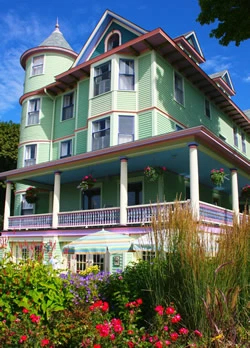
Stay at the Inn on Mackinac, and explore the island’s culinary past and present from a perfect home base.
Category: Mackinac Island