Mackinac Island in the Civil War: A Rarely Told Chapter in American History
Most people know Mackinac Island for bikes, fudge, and lake views. Few know it played a quiet role in the Civil War. Yet it did, in a strange and fascinating way.
For a few months in 1862, the island held Southern prisoners. They lived far from the battlefields of the South. Their story is one of the island’s best-kept secrets.
This is that story. It is about a sleepy old fort, three important men, and a company of Michigan soldiers. It is history you can still touch on the island today.
A Fort Far From the Front Lines
Fort Mackinac sits on a bluff above the harbor. British and American troops once fought over it. But by the 1860s, its fighting days were long past.
When the Civil War began in 1861, the fort was very quiet. Only a tiny crew remained. It was one of the most remote posts in the country.
That remoteness made it useful in a new way. A quiet island is hard to escape from. The Army saw a chance to use it as a prison.
The fort had guarded the Straits for decades. It watched over ships, trade, and the border with Canada. By the Civil War, though, the frontier had moved on.
So the old post found a fresh purpose in 1862. It would not fire cannons in this war. Instead, it would hold a few important men.
An Island That Was Hard to Leave
Mackinac Island had no bridge in those days. Ships were the only way on or off. In winter, ice cut it off almost completely.
This made it a natural holding place. A prisoner could not simply walk away. The cold water did the work of prison walls.
Why Three Southern Men Came North
The prisoners were not ordinary soldiers. They were leading citizens of Tennessee. Their arrest was about politics, not battles.
The Order From Andrew Johnson
Early in the war, the Union took control of Tennessee. Andrew Johnson was named its military governor. He later became Lincoln’s vice president.
Johnson wanted to weaken Southern support in the state. So he ordered the arrest of several prominent men. Three of them were sent north to Mackinac Island.
These were political prisoners, not battlefield captives. They were held to keep them quiet, not to punish crimes. It was a bold and controversial move.
Tennessee was deeply split during the war. Some areas backed the Union, others the South. Johnson wanted to stop powerful voices from stirring up rebellion.
Removing these men far from home was the plan. Out of sight meant out of influence. A remote island fit that goal perfectly.
Who the Prisoners Were
The three men were well known in Tennessee. Each held wealth, power, or high office. That is exactly why Johnson targeted them.
The prisoners were:
- Josephus Conn Guild — a respected judge and politician.
- George Washington Barrow — a former congressman and diplomat.
- William Giles Harding — a wealthy landowner and planter.
Guild was a well-known judge and public figure. Barrow had served in Congress and abroad. Harding owned a large Tennessee estate and was very rich.
Sending such men to a far northern island sent a message. No one was too important to arrest. The war reached even the powerful.
The Stanton Guard Takes Over
The fort needed soldiers to guard its new prisoners. A special company was raised for the job. They came all the way from Detroit.
A Company Named for the War Secretary
The unit was called the Stanton Guard. It was named after Edwin Stanton, the Secretary of War. Captain Grover S. Wormer led the company.
The Stanton Guard counted just under 100 men. Their whole job was to hold three prisoners. That shows how important these captives were.
The Long Journey to the Island
The soldiers and prisoners traveled by steamship. They arrived around May 10, 1862. Their vessel was a steamer named the Illinois.
Picture that arrival on the quiet island. A company of soldiers marched up to the old fort. The sleepy post suddenly had a real mission again.
Life as a Prisoner on Mackinac
You might imagine a grim, cold cell. The truth is more surprising. These prisoners lived fairly well.
Not the Prison You Might Picture
The men were treated as gentlemen, not criminals. They were given decent quarters at the fort. Their captivity was firm but not cruel.
They were important figures, and the Army knew it. Harsh treatment could have caused an uproar. So the guards kept things civil.
(Exact details of their daily treatment vary by source and should be verified before publishing.)
A Quiet Kind of Captivity
The island itself became part of the prison. Where would a prisoner even run? The water and the cold made escape pointless.
So the men waited through the summer of 1862. They read, wrote letters, and passed the time. The war went on far to the south.
By many accounts, they had some freedom on the island. They could walk the grounds under watch. Life was dull, but it was not harsh.
The small island community went on around them. Locals traded, fished, and farmed as always. For a while, three Southern gentlemen shared their summer.
How the Story Ended
The prisoners were not held forever. Their release came in stages. It depended on their choices.
Two of the men agreed to swear loyalty to the Union. Guild and Harding took the oath. They were released on September 30, 1862.
The Stanton Guard’s task was nearly done. The company mustered out on September 25, 1862. The fort soon returned to its quiet ways.
Barrow’s situation took longer to resolve. In time, all three men returned to their lives. The island’s brief prison chapter closed.
What This Chapter Tells Us About the War
The Mackinac prisoners were a small part of a big war. But their story still teaches us a lot. It shows how far the conflict reached.
A War of Politics, Not Just Battles
The Civil War was fought with more than guns. It was also fought over loyalty and power. Leaders on both sides used arrests to control regions.
Mackinac Island shows this side of the war. No shots were fired here at all. Yet the fort still played a real role.
A Nation Testing Its Limits
Holding men without trial was a hard choice. It raised deep questions about rights in wartime. Those questions still echo in America today.
The island gives that big debate a human face. Three real men lived it on this quiet bluff. Their summer here makes the history feel close.
Reliving 1862 on Mackinac Today
This history is not just in books. You can experience it on the island. Fort Mackinac brings the era back to life.
The Civil War Reenactment Weekend
Each year, the fort hosts a Civil War event. Reenactors portray the Stanton Guard. They wear period uniforms and drill like the real soldiers.
Visitors can watch and ask questions. It is a fun way to learn the story. Kids and history lovers both enjoy it.
The event brings 1862 to life in front of you. You hear the drills and see the gear. It turns a footnote into a living scene.
(Event dates change each year. Check the Fort Mackinac schedule before you plan a visit.)
Walking the Fort Yourself
You do not need an event to explore the fort. It is open to visitors through the season. The views alone are worth the climb.
Inside, exhibits tell the fort’s long story. You can stand where the prisoners once stood. History feels close and real up there.
See the History for Yourself on Mackinac Island
Mackinac Island is more than a pretty getaway. It holds quiet stories that shaped the nation. The Civil War chapter is one of the most surprising.
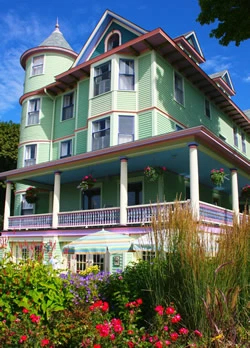
Come walk the bluff and picture that summer of 1862. Stay at the Inn on Mackinac, just a short stroll from the harbor and the historic core. Book your stay today, and let the island’s past come alive around you.
Category: Mackinac Island