Mackinac Island Invasive Species: What Visitors Can Do
Mackinac Island is famous for wooded trails, limestone bluffs, and clear Great Lakes views. These natural areas also face pressure from invasive plants, forest pests, and aquatic species.
Visitors can help protect the island through a few simple choices. Clean outdoor gear, leave plants untouched, follow boating rules, and avoid moving firewood. These steps reduce the risk of carrying harmful species to new places.
Why Invasive Species Matter on Mackinac Island
An invasive species is a nonnative organism that causes environmental, economic, or human harm. Not every nonnative plant or animal is invasive. The concern begins when a species spreads aggressively and disrupts local ecosystems.
Mackinac Island has sensitive forests, shorelines, wetlands, and historic landscapes. Invasive species can crowd out native plants, change wildlife habitat, damage trees, and alter food webs. Island environments need special care because seeds, insects, and aquatic organisms can arrive on shoes, bicycles, boats, equipment, or firewood.
Poison ivy is not an invasive species. It is native to Michigan, though contact can cause a painful rash. Visitors should avoid touching it while staying on marked routes.
Invasive Plants Found on the Island
Mackinac State Historic Parks has documented several invasive plants in parklands. These include garlic mustard, Norway maple, Japanese knotweed, invasive phragmites, purple loosestrife, and periwinkle. Each species spreads differently, so identification and removal should be left to trained land managers.
Garlic Mustard
Garlic mustard is a woodland plant that can form dense patches. It competes with native wildflowers and tree seedlings. Its heart-shaped leaves may smell like garlic when crushed, but visitors should not pick or disturb suspected plants.
Seeds can cling to soil and footwear. Cleaning hiking shoes after a trail visit helps prevent accidental spread. Take a clear photo and report the location instead of removing the plant.
Norway Maple
Norway maple can produce heavy shade and many seedlings. These traits may reduce space and light for native plants. Some trees change color earlier than native maples, but leaf color alone does not confirm identification.
Land managers use several features to identify a tree correctly. Visitors should avoid cutting, marking, or damaging any tree they suspect is invasive.
Knotweed, Phragmites, and Periwinkle
Japanese knotweed can regrow from small stem or root fragments. Moving soil or plant pieces may create a new patch. Invasive phragmites forms tall, dense stands near wet areas and can reduce habitat diversity.
Periwinkle is often planted as ground cover. When it escapes cultivation, it can form broad mats in forested areas. These mats may crowd out smaller native plants.
Forest Insects and Diseases
Tree pests and diseases can change an island forest for decades. Some travel inside untreated firewood, nursery stock, logs, or wooden packing materials. Visitors should follow current firewood rules and buy local or certified heat-treated wood when permitted.
Beech Bark Disease
Beech bark disease has damaged American beech trees across Michigan, including Mackinac Island. The disease begins when a scale insect injures the bark. Fungi can then infect the weakened tree.
Declining beech trees may lose branches or become unstable. Visitors should respect closures and avoid lingering beneath damaged trees during strong winds.
Emerald Ash Borer
Emerald ash borer attacks ash trees. The insect is established across Michigan’s Lower Peninsula and has also been detected in the Upper Peninsula. It has caused extensive ash mortality.
Routine sightings do not usually need reporting in Michigan because the pest is already established. The best visitor action is to avoid transporting untreated firewood.
Asian Longhorned Beetle
Asian longhorned beetle attacks several hardwood species, including maples. It has not been detected in Michigan. Suspected sightings are important and should be reported promptly.
Possible signs include large round exit holes, shallow pits where eggs were laid, and coarse sawdust near a tree. A photograph and exact location help experts assess a report.
Aquatic Invasive Species in the Great Lakes
The Great Lakes contain aquatic invasive species such as zebra and quagga mussels, round goby, sea lamprey, spiny water flea, and Eurasian watermilfoil. These organisms can affect native fish, habitat, and food webs.
Zebra and quagga mussels filter large amounts of plankton. Water may look clearer, but greater clarity does not necessarily mean a healthier ecosystem. Removing plankton can reduce food available to native organisms.
Michigan law requires boaters to remove drain plugs and drain water from bilges, ballast tanks, and live wells before transport. Watercraft, trailers, and related equipment must be free of aquatic organisms before overland movement. Travelers arranging private boat docking near Mackinac Island should review current state requirements before departure.
How Visitors Can Prevent the Spread
- Stay on established trails. This protects native plants and reduces contact with invasive patches.
- Clean footwear and gear. Brush away soil, seeds, and plant fragments before visiting another natural area.
- Do not move firewood. Buy local or certified heat-treated wood where fires are allowed. Michigan’s exterior firewood quarantine begins January 1, 2027, so check current rules before traveling.
- Clean, drain, and dry boats. Follow Michigan law and inspect trailers, anchors, ropes, and other equipment.
- Leave plants in place. Do not pull, spray, cut, or carry suspected invasive plants.
- Respect signs and closures. Temporary limits may protect treatment areas or hazardous trees.
These habits support broader efforts focused on respecting Mackinac Island’s natural environment. They also help protect quiet interior hiking routes from avoidable damage.
How to Report a Suspected Invasive Species
Start with a clear photograph. Include the whole plant or animal, close details, and the surrounding habitat when possible. Record the exact location without entering restricted or unsafe areas.
Michigan residents and visitors can submit observations through the Midwest Invasive Species Information Network. State agencies may also provide reporting guidance for high-priority species. A report is most helpful when it includes photographs, location details, and the observation date.
Do not collect or transport a specimen unless an authority requests it. Moving the organism could spread it farther or violate local rules.
Conclusion
Protecting Mackinac Island begins with careful travel habits. Clean your gear, follow boating and firewood rules, stay on marked paths, and report unusual species without disturbing them.
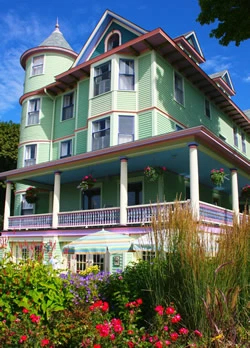
Planning an island visit? Explore the rooms at Inn on Mackinac and create a comfortable base for responsible outdoor adventures.
Category: Mackinac Island