Mackinac Island Preservation Efforts: How the Island Stays Historic
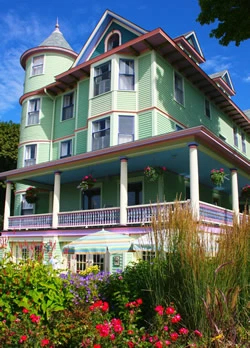
Step off the ferry at Mackinac Island and time seems to slow. There are no cars. The shops wear old wooden fronts. Grand porches line the bluffs above the water. It can feel like a living postcard from another century.
But this look did not happen by luck. It is the result of many choices made over many years. People fought to protect this place. Laws, groups, and rules all play a part. This guide explains how the island stays so historic, and how you can help keep it that way.
A Park Before Parks Were a Thing
Mackinac Island was one of the first places in America set aside on purpose. That early start shaped everything after it. Protection here is older than most people guess.
From National Park to State Park
In 1875, the federal government made Mackinac a national park. It was only the second national park in the country. Yellowstone was the first, just three years earlier.
The U.S. Army ran the park for about twenty years. Soldiers at Fort Mackinac cared for the grounds. Then the Army left the fort in 1895.
Rather than sell the land, the state stepped in. Michigan took over the park that same year. This created Mackinac Island State Park, the very first state park in Michigan. So the island helped invent the idea of a state park in America.
More Than 80% Protected Land
Here is the fact that surprises most visitors. More than 80 percent of the island is state park land. That is a huge share for such a famous spot.
This land cannot be carved up for new malls or big resorts. It stays green, wooded, and open. Trails, cliffs, and shoreline are all kept wild.
Because so much land is protected, growth has limits. The busy downtown is small on purpose. Nature surrounds it on almost every side. That balance is a big reason the island still feels historic.
The Rule That Froze Time: No Cars
You cannot drive a car on Mackinac Island. This is not just a fun quirk. It is one of the strongest preservation tools the island has.
The ban began in 1898. Early cars scared the island’s horses and felt unsafe on narrow streets. Local leaders voted to keep the “horseless carriages” out. The rule has held for more than 125 years.
No cars means no gas stations or wide highways. It means no traffic lights or big parking lots. The streets stay the same size they were long ago.
People still travel by horse, bike, or foot. The pace stays slow and quiet. In a real way, the car ban froze the island’s look in time. Few other places in America can say the same.
A National Historic Landmark
The whole island earned a special title in 1960. It became a National Historic Landmark that October. This is one of the highest honors a place can get.
The title means the island matters to the whole country. Its forts, homes, and streets tell an American story. That story goes back hundreds of years.
This status brings extra care and attention. It reminds owners and leaders what they protect. It also draws visitors who love real history. The honor helps keep preservation front and center.
Who Guards the Island’s Look Today
Keeping a place historic takes daily work. Several groups share that job on Mackinac. Each one watches over a different piece.
The Mackinac Island State Park Commission
The Mackinac Island State Park Commission oversees the state park land. It has guided the park since the state took over in 1895. The commission protects the natural and historic sites across the island.
It cares for landmarks like Arch Rock and Fort Holmes. It maintains miles of trails and forest. Its long record gives the island steady, expert care.
The City’s Historic District Commission
The downtown and the bluffs are not state park. They are part of the City of Mackinac Island. To protect them, the city runs a Historic District Commission.
This group reviews building projects inside historic areas. If an owner wants to change a building, the commission checks the plans. It looks at things like style, materials, and size.
The goal is simple but strict. New work must fit the island’s historic look. Tearing down an old building is treated as a serious loss. Because of this review, Main Street keeps its old charm.
Mackinac State Historic Parks
A third group focuses on history you can walk through. Mackinac State Historic Parks runs the island’s museums and forts. It also cares for historic sites on the nearby mainland.
Its team restores old buildings with care. It runs Fort Mackinac up on the bluff. Costumed guides, cannons, and exhibits bring the past to life there.
How the Forts and Old Buildings Are Kept Alive
Old buildings do not last on their own. Wind, snow, and time wear them down. Keeping them standing takes constant effort.
Fort Mackinac sits high above the harbor. It holds some of Michigan’s oldest buildings. Crews repair roofs, walls, and woodwork year after year.
Restorers try to stay true to the original work. They match old paint colors and building methods. When they can, they reuse or copy historic details. This care keeps each site honest and real.
Downtown, private owners do their part too. Many shops and inns sit in buildings over a century old. Owners repaint trim, fix porches, and save old features. Every small fix adds up to a preserved street.
Why the Island’s Small Scale Matters
Scale is a quiet part of preservation. Big buildings can crowd out an old town fast. On Mackinac, rules keep new work modest.
New buildings must fit the street around them. They cannot tower over their old neighbors. So the skyline stays low and human-sized.
This care protects the famous views. From the water, you still see porches and steeples. You do not see tall towers or bright signs. The island looks much as it did long ago.
Even the number of visitors is shaped by the boats. Ferries carry people over in waves. When the last boat leaves, the island grows calm. That daily rhythm helps protect the quiet, too.
Keeping the Famous Lilacs and Green Spaces
Preservation is not only about buildings. It is also about the living island. The plants and open spaces need care as well.
Mackinac is famous for its lilacs. Some bushes are well over a hundred years old. Caretakers prune and feed them so they keep blooming. A yearly lilac festival honors these beloved plants.
Crews also tend the parks, lawns, and forest trails. They plant trees and manage the woods. Marquette Park below the fort stays neat and green. These green spaces frame the island’s historic view.
Historic Sites You Can See for Yourself
Preservation is easy to see up close. The island is full of old, cared-for sites. Many are open for you to visit.
Fort Mackinac is the big one to start with. Its oldest building dates to the 1780s. Step inside and you walk through real history.
Nearby stand some of the island’s oldest homes. The McGulpin House is a rare early example. Its simple wood frame shows how people once built here.
You can also visit small museums downtown. They hold tools, art, and old photos. Each one keeps a piece of the past safe.
Even the churches tell a story. Old chapels still hold services today. Their care shows how living history can be. Seeing these places makes preservation feel real.
The Work That Never Really Stops
Preservation is not a one-time job. It goes on every single year. The island’s care is a long, patient effort.
Winters here are cold and harsh. Ice and snow test old roofs and walls. Crews check for damage each spring.
Funding is a constant need as well. Repairs cost money, and old work is careful work. Ticket sales, donations, and state support all help.
Skilled trades matter, too. Some fixes need old-style tools and know-how. Teams train to keep those skills alive. Without them, the historic details would fade.
This steady work is easy to miss. Most visitors only see the finished result. Behind that clean, timeless look is real effort. That effort is why the island still shines.
How Visitors Help Preserve the Island
You do not need to live here to help. Every visitor plays a part. Small choices add up in a big way.
Stay on marked trails when you explore. This protects fragile plants and old rock. Pack out your trash and leave nature as you found it.
Support the groups that do the work. Many people join Mackinac Associates, the nonprofit that backs the parks. Please confirm current membership details before you sign up. Buying tickets to the forts also funds real repairs.
Spend at local shops and inns as well. Your dollars help owners keep old buildings in good shape. When you respect the island, you help pass it on. The next visitor gets to feel that same step back in time.
You can also learn the story as you go. Take a fort tour or a history walk. Ask guides about the buildings you pass. The more you know, the more you care.
Share what you learn with others, too. Tell friends why the car ban matters. Explain how the state park protects the land. Simple stories help more people value this place.
Stay Where History Lives
The island’s historic charm is a gift built by many hands. You can feel it best when you stay right in the middle of it. Inn on Mackinac sits downtown, steps from the harbor and Main Street. Book your stay, walk the historic streets, and become part of the story that keeps Mackinac timeless.
Category: Mackinac Island