Mackinac Island Student Group Itinerary: Fun and Learning
Introduction
A Mackinac Island student group itinerary can feel both fun and useful. The island gives students a rare travel experience. It mixes history, nature, outdoor time, and local culture in one place. This makes it helpful for teachers, parents, and group leaders. Students can learn outside the classroom while enjoying a fresh setting.
Mackinac Island is also known for its car-free streets. This makes the visit feel different from most school trips. Students can walk, see bikes, and watch horse-drawn transportation. These simple details create strong learning moments. They also help students understand how communities can work differently.
A student trip to Mackinac Island can include:
- Historic places
- Scenic walking routes
- Nature stops
- Ferry travel
- Group-friendly activities
- Fun learning experiences
This balance makes the island a smart choice for school groups.
What Makes Mackinac Island Educational for Students?
- A Living Lesson in History
Mackinac Island gives students a real connection to history. Fort Mackinac and other historic sites help lessons feel alive. Students can see buildings, displays, and preserved areas. These places make history easier to understand. Instead of only reading facts, students can stand where events happened. This makes the visit more memorable and meaningful.
- A Car-Free Community Students Can Observe
The island’s car-free setting creates a useful learning topic. Students can compare it with their own towns or cities. They can notice how people move without regular vehicles. Walking, biking, and horse-drawn rides become part of daily life. This helps students think about transport, safety, planning, and community design. It also keeps the trip active and engaging.
- Nature, Geology, and Outdoor Learning
Mackinac Island also supports outdoor learning. Students can observe shoreline views, trails, trees, and rock features. These stops can connect with science and geography lessons. Teachers can ask students to describe natural shapes, landforms, and local surroundings. This turns a simple walk into a useful field activity.
Before You Start: Planning Tips for a Student Group Trip
- Confirm Ferry Details Early
Most groups reach Mackinac Island by ferry. So, ferry planning should come first. Check schedules, group rules, and boarding times early. This helps avoid delays and confusion.
- Build Extra Time Into the Schedule
Student groups need more time than small families. Add time for restroom breaks, photos, meals, and group counts. A flexible schedule keeps the trip smooth.
- Choose Activities Based on Age Group
Younger students may enjoy simple nature stops and butterfly visits. Older students may enjoy history, worksheets, and guided activities. Choose stops that match the group’s age and learning goals.
Sample One-Day Mackinac Island Student Group Itinerary
A good Mackinac Island student group itinerary should feel simple and balanced. It should include learning stops, fun moments, rest breaks, and safe movement. Student groups often need clear timing and easy routes. This helps teachers manage the day without stress.
- Morning Arrival by Ferry
Start the day with a ferry ride to Mackinac Island. This is often the first exciting moment for students. Group leaders should arrive early and keep everyone together. Count students before boarding and after arrival.
Once the group reaches the island, give a short safety briefing. Explain walking rules, meeting points, and buddy groups. This helps students understand what to expect. It also keeps the trip organized from the beginning.
- First Stop: Downtown Orientation Walk
Begin with a short downtown orientation walk. This helps students understand the island layout. They can see the waterfront, shops, historic buildings, and busy streets. They will also notice bikes and horse-drawn transportation.
Teachers can make this walk more useful with simple questions:
- What makes the island different from your hometown?
- What types of transportation do you see?
- Which buildings look historic or unique?
- How do visitors move around safely?
This short activity makes students more aware of their surroundings.
- Mid-Morning Learning Stop: Fort Mackinac or Historic Site Visit
Next, visit Fort Mackinac or another historic site. This can become the main learning stop of the day. Students can learn about island history, military life, and local culture. They can also see how people lived in earlier times.
This stop works well for social studies lessons. Teachers can ask students to note three facts. They can also compare past island life with modern life. This keeps the visit active and focused.
- Lunch Break at a Group-Friendly Spot
Plan lunch before the group becomes tired. Choose a simple, group-friendly place when possible. Some groups may prefer packed lunches. Others may choose pre-planned meals near downtown.
Group leaders should confirm seating and timing early. This helps avoid long waits during busy hours. A planned lunch break also gives students time to rest.
- Early Afternoon: Nature Walk or Landmark Stop
After lunch, add a short nature-based activity. A walk near scenic areas can support outdoor learning. Students can observe trees, shoreline views, rocks, and local landscapes.
This stop can connect with science and geography lessons. Teachers can ask students to describe one natural feature. They can also talk about landforms, water, and island environments.
- Fun Activity: Butterfly House, Bike Time, or Carriage Ride
Now add one fun activity to refresh the group. A butterfly house can support life science learning. Bike time can help older students enjoy active movement. A carriage ride can teach students about island transportation.
Each option adds value in a different way:
- Butterfly house: insects, habitats, and life cycles
- Bike time: movement, safety, and island routes
- Carriage ride: transport history and local culture
Choose the activity that fits your group best.
- Late Afternoon: Reflection and Departure
Before leaving, gather students in a clear meeting area. Ask them to share one fact and one favorite memory. This simple reflection helps them remember the trip.
Then return to the ferry dock with extra time. Count students again before boarding. A calm departure ends the day smoothly.
Best Educational Stops to Include in the Itinerary
- Fort Mackinac
Fort Mackinac is a strong history stop for student groups. It works well for social studies and military heritage topics. Students can learn through real spaces, displays, and stories.
- Mackinac Island State Park Areas
State park areas are useful for science and nature lessons. Students can observe trails, landforms, plants, and scenic views. These stops also give the group fresh air and movement.
- Butterfly Houses
Butterfly houses are helpful for younger students. They support lessons about insects, habitats, and life cycles. They also make learning feel bright and enjoyable.
- Horse-Drawn Transportation
Horse-drawn transportation shows the island’s unique culture. Students can compare it with cars, buses, and modern travel. This makes transportation history easy to understand.
How to Balance Fun and Learning During the Trip
A strong Mackinac Island student group itinerary should not feel too heavy. Students learn better when the day feels active and enjoyable. The goal is to mix short lessons with real experiences. This keeps students focused, curious, and excited.
- Use Short Learning Moments
Do not turn every stop into a long class. Use short questions, quick tasks, and simple observations. Ask students to notice one detail at each place. This makes learning feel natural and easy.
Teachers can ask:
- What did you learn at this stop?
- What surprised you about the island?
- How is this place different from home?
- Mix Active Stops With Rest Breaks
Student groups need movement and rest during the day. A good plan should include walking, sitting, eating, and exploring. This balance helps students stay fresh. It also makes the trip easier for teachers and chaperones.
- Give Students a Simple Mission
Give students a small mission before the trip starts. Ask them to find one history fact, one natural feature, and one favorite memory. This gives them a clear purpose. It also makes the final reflection more meaningful.
Safety and Group Management Tips for Teachers
- Keep Clear Group Rules
Set group rules before the ferry ride begins. Use buddy groups and assign adult chaperones. Tell students where to meet if they get separated. Clear rules make the trip safer and smoother.
- Plan for Weather Changes
Mackinac Island weather can change during the day. Students should wear comfortable walking shoes. They should also bring a light jacket, sunscreen, and water bottle. These simple items help prevent common travel problems.
- Check Accessibility Needs Early
Review walking distances before finalizing your route. Some students may need shorter routes or extra rest stops. Group leaders should check ferry access and activity details early. This helps everyone enjoy the trip comfortably.
Where to Stay for a Student Group Visit to Mackinac Island
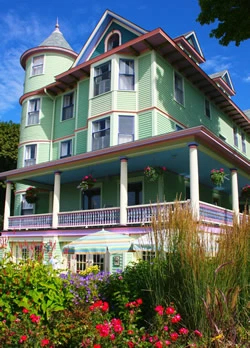
Staying on or near Mackinac Island can make planning easier. Overnight stays give students more time for history, nature, and group activities. Inn on Mackinac can be a helpful option for planners who want a comfortable island stay.
Quick Packing Checklist for Student Groups
- Comfortable walking shoes
- Light jacket or rain layer
- Refillable water bottle
- Student worksheet
- Emergency contact list
- Ferry details
- Sunscreen
- Snacks, if allowed
Conclusion
A Mackinac Island student group itinerary can be fun and meaningful. The island offers history, nature, movement, and unique learning moments. With early planning, teachers can create a smooth trip. Students can return home with facts, stories, and lasting memories.
Category: Mackinac Island