The Cattle of Mackinac Island: A Forgotten Chapter in Michigan’s History
Introduction
Mackinac Island is best known for its horse-drawn carriages, fudge shops, and stunning views of Lake Huron. But did you know that cattle once roamed freely across its open fields? It’s a surprising detail that even many locals don’t know.
Long before the island became a car-free tourist favorite, it had a working community of soldiers, settlers, and farmers. These early residents relied on livestock, especially cattle, to support daily life. Though this chapter in the island’s history is rarely mentioned today, it played a key role in shaping the island’s identity.
In this blog post, we’ll uncover the little-known story of Mackinac Island’s cattle. We’ll look at how they arrived, why they mattered, and what happened to them. It’s a piece of Michigan history that deserves to be remembered.
Life on Mackinac Island in the 1800s
In the early 1800s, Mackinac Island was more than just a summer retreat. It was a strategic location for trade and military operations. Fort Mackinac, perched above the harbor, served as a key outpost for both British and American forces.
As the military and civilian population grew, so did the need for food and supplies. Farming became essential for survival. Residents planted gardens, kept chickens, and raised cattle. These animals helped provide meat, milk, and labor for the island’s small but busy community.
Unlike today, the island then had open fields and simple roads. With few people and little development, there was room for livestock to graze.
The Role of Cattle on the Island
Cattle played a central role in daily life on Mackinac Island. They were used for:
- Dairy production – fresh milk and butter for soldiers and settlers
- Meat supply – beef was an important protein source
- Manual labor – oxen helped pull carts and carry goods
The island’s small farms were located near the fort and in open clearings. Cattle often roamed freely in fenced areas, grazing on local grasses. Managing livestock on an island, though, came with challenges. Limited space, harsh winters, and transportation made farming difficult.
The Turning Point: Why the Cattle Disappeared
As the 19th century came to a close, Mackinac Island began to change. Farming was no longer the center of daily life. Tourism started to grow, and with it came new priorities.
By the 1880s, the island was attracting visitors from across the Midwest. People came for the cool summer air, lake views, and peaceful escape. The presence of cattle, farms, and smells did not fit the vision of a relaxing retreat.
At the same time, transportation on the island was shifting. In 1895, Mackinac Island made a bold choice. It officially banned automobiles. The roads were narrow, and cars scared the horses. The island decided to keep things quiet and simple.
With this ban came a new kind of movement. Horse-drawn carriages replaced carts pulled by oxen. Farmers began to leave, and their livestock went with them. Pastures turned into parks, stables, or hotel grounds. Cattle were slowly phased out.
Farming on an island also had natural challenges:
- Limited flat land for grazing
- Harsh winters made animal care harder
- Transporting feed and supplies was costly and slow
As tourism grew, farming became less practical. The economy shifted from growing food to serving guests. Hotels, shops, and restaurants replaced barns and fields. The cattle, once vital to island life, were now part of the past.
How This Forgotten History Shapes Mackinac Island Today
Today, Mackinac Island is known for what it doesn’t have: cars. But few people realize that it also once had cows. The loss of cattle reflects a bigger story — the island’s transformation into a car-free, calm, and charming destination.
Instead of cows and farms, you now find:
- Horse-drawn taxis and tours
- Open green spaces and public gardens
- Historic sites like Fort Mackinac and carriage museums
The island kept its quiet pace but changed how it worked. The cattle may be gone, but their story lives on in the island’s fields, trails, and traditions. Understanding this history helps visitors see Mackinac not just as a tourist spot — but as a place deeply shaped by time.
Why This Story Matters to Visitors
When people visit Mackinac Island today, they see beauty and peace. They enjoy horse-drawn carriages, biking trails, and charming downtown shops. But behind the quiet streets lies a deep, often untold history.
The story of the island’s cattle may seem small. But it shows how Mackinac changed over time. It moved from survival farming to a place for rest and reflection. This shift is part of what makes the island so unique today.
For visitors, this forgotten chapter adds meaning to their trip. It gives them a chance to connect with the island in a deeper way. They’re not just walking through a vacation spot — they’re stepping through living history.
Here’s why the cattle story still matters:
- It explains how the island evolved over the years
- It adds depth to places like Fort Mackinac and Mission Point
- It highlights the value of preserving local stories
Knowing this history can make a walk through a quiet field more meaningful. It helps visitors see the island not just as beautiful — but as a place with soul.
Planning Your Visit to Mackinac Island
Tie-In to the Inn on Mackinac
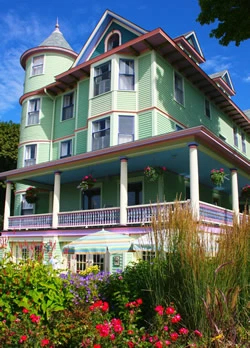
If you’re planning a visit, take time to explore the island’s past. Start by staying at a place that embraces the charm of old Mackinac. The Inn on Mackinac is a perfect base for your trip.
Located near downtown and historic Fort Mackinac, the inn offers easy access to the island’s top sites. You can stroll to scenic overlooks, horse barns, and even areas once used for farming.
Why choose the Inn on Mackinac?
- Historic charm with modern comfort
- Great location near historic spots and nature trails
- A peaceful stay on a car-free, story-filled island
The inn itself reflects the island’s timeless feel. While cattle no longer roam, the stories remain — and you’ll be right where history lives.
Conclusion
The cattle of Mackinac Island are long gone, but their story endures. They remind us of a time when island life was simple and hard-working. This forgotten chapter adds color to Mackinac’s rich history.
On your next visit, look beyond the surface. Listen for the echoes of the past — and let them guide your journey through one of Michigan’s most special places.
Category: Mackinac Island