Visiting Mackinac Island With Tweens Activities Food and Planning Tips
Visiting Mackinac Island with tweens can be easier than planning for very young children or older teens. Children around ages nine through twelve often want independence, challenge, and choice. They may enjoy history when it feels interactive, exercise when it has a goal, and food when they can help select it. A balanced itinerary gives them freedom without overloading the day.
Why Mackinac Island Works Well for Tweens
The island turns transportation into an activity. There are no personal cars. Families move by foot, bicycle, horse-drawn carriage, or boat. That difference makes ordinary travel feel memorable. Downtown is compact, while parks and trails provide room for adventure.
Tweens can participate in planning. Let them choose one major activity, one food stop, and one evening idea. This creates ownership and reduces arguments. Adults should still set safety limits, meeting points, spending rules, and realistic travel times.
Start With a Manageable First Day
Ferry travel, luggage, and a new environment can consume more energy than expected. Keep arrival day simple. Walk downtown, learn the route to the hotel, eat an easy meal, and choose one nearby activity. Save the island loop or long trail outing for a full day.
Families arriving for the first time can review these Mackinac Island ferry mistakes to avoid before travel. The Inn’s downtown walking guide also helps everyone understand the central area.
Tween Friendly Activities
Bike the Shoreline With Clear Rules
The paved shoreline route is a signature family activity. It offers water views, landmarks, and natural stopping points. Confirm bicycle fit before leaving. Review hand signals, passing rules, and horse awareness. Keep the group together in crowded areas and move aside before stopping.
Not every tween is ready for the full loop. Start with a shorter ride and extend it if everyone feels comfortable. Carry water and a basic layer. Weather near the Straits can shift quickly.
Explore Fort Mackinac
Fort Mackinac combines historic buildings, exhibits, demonstrations, and broad harbor views. Tweens often respond better when given a mission. Ask them to choose the most surprising object, compare two exhibits, or photograph three details for a family recap. Programs and access change by season, so confirm the current schedule with Mackinac State Historic Parks.
Try a Carriage Experience
A narrated carriage tour helps families see major landmarks without walking every mile. Tweens who want more participation may be interested in riding stables or drive-it-yourself carriage options where age, supervision, route, and operating rules permit. Confirm requirements directly before promising the activity.
Read the Inn’s guide to drive-it-yourself carriage rentals for planning questions and safety considerations.
Use a Scavenger Hunt or Geocaching Goal
A search challenge can make walking more engaging. Families can create a photo list featuring a horse team, lighthouse view, historic marker, limestone formation, and favorite storefront. Geocaching requires a phone or GPS device and respect for park rules. Never move natural or historic objects.
Choose a Water Activity Carefully
Guided kayaking, boat trips, and parasailing may appeal to adventurous tweens. Operators set age, weight, weather, and supervision rules. Conditions on the Great Lakes deserve respect. Book through established operators and accept cancellations when conditions are unsafe.
Balance Challenge With Downtime
A common family mistake is scheduling every hour. Tweens may enjoy ambitious activities but still need unstructured time. Add a porch break, pool visit, park stop, or quiet room period. Downtime often improves the evening for everyone.
Use a two-part daily structure. Plan one demanding activity before lunch and one flexible activity later. Keep a weather backup ready. Museums, shopping, treats, and indoor attractions can replace outdoor plans without making the day feel lost.
Food Planning for Tweens
Offer Choices Within Limits
Let tweens choose between two restaurants that fit the budget and location. This gives control without reopening the entire plan. Check menus before walking across the island. Seasonal hours and kitchen closing times can change.
Carry Snacks and Water
Hunger can quickly derail a bike ride or museum visit. Carry water and a simple snack. Refill when possible. Do not rely on every interior or shoreline stop being open, especially in spring and fall.
Make Treats Part of the Experience
Fudge, ice cream, and bakery stops can become small itinerary rewards. Set expectations about portions and spending before entering busy shops. Encourage tweens to compare flavors or choose a treat to share.
Give Tweens Safe Independence
Mackinac Island may feel relaxed, but normal travel safety still applies. Decide where tweens may walk without an adult. Use obvious meeting points and exact times. Make sure they know the hotel name, an adult phone number, and what to do if separated.
Phones can support maps and communication, but coverage and battery life are not guaranteed everywhere. Carry a small power bank and a paper map. Teach children to ask uniformed staff, visitor-center workers, or store employees for help.
Plan for Horses Bicycles and Busy Streets
Tweens must understand that horses have the right of way and can react unpredictably. Do not approach, feed, or touch a horse without permission. Stay alert around carriages. On bicycles, ride predictably, avoid sudden stops, and walk bikes where crowds make riding unsafe.
Main Street can become busy when ferries arrive. Set a family rule for crossing and regrouping. Bright clothing can help adults see children in crowds. Closed-toe shoes improve comfort on longer walking days.
Weather and Clothing
Layering works better than one heavy item. Pack a light rain layer, sun protection, and comfortable shoes. Cooler air near the water can surprise visitors. Check conditions each morning and change the route when wind or rain makes an activity less enjoyable.
Set a Simple Spending Plan
Tweens often enjoy making a few independent choices. Give each child a clear amount for souvenirs or treats before entering shops. Explain whether that amount must cover the entire trip or only one day. This reduces repeated negotiations and turns shopping into a practical decision-making exercise. Keep essential meals, transportation, and admission costs outside the child’s personal budget.
Discuss payment rules before separating even briefly. A prepaid card or small amount of cash may be easier to manage than access to a family credit card. Keep receipts for larger purchases and use one agreed meeting place after shopping.
Make History More Engaging
History becomes easier to enjoy when tweens have a purpose. Before entering a museum or fort, ask each child to find one surprising fact, one object they would use, or one question for an interpreter. Compare answers afterward. Short goals create participation without turning the visit into a school assignment.
Living-history programs, demonstrations, and exhibits can vary by date. Review the official schedule before arrival, then choose one program rather than trying to attend everything. Leave space for questions and unplanned discoveries.
Plan Calm Evening Options
A full island day can leave tweens tired even when they resist stopping. Keep evenings simple. Consider a waterfront walk, a board game, reading, a quiet dessert stop, or time at the hotel. Avoid scheduling another demanding activity after a long bike ride or trail outing.
Agree on a realistic device plan. Some families use phones only for photos and communication during the day, then allow a short period of personal screen time before bed. Clear expectations prevent arguments and give everyone time to recharge.
A Simple Two Day Tween Itinerary
Day One Downtown and History
Arrive, settle in, and walk downtown. Visit Fort Mackinac or another historic attraction. Let the tween choose a snack and one shop. End with a relaxed dinner and sunset stop if energy remains.
Day Two Adventure and Choice
Begin with a shoreline bike ride, guided carriage experience, or planned trail. Eat lunch near the next activity. Reserve the afternoon for a butterfly attraction, scavenger hunt, pool break, or shopping. Keep the evening open rather than forcing one final event.
Pack for Comfort and Independence
Give each tween a small day bag if they can carry it responsibly. Useful items include a refillable water bottle, light rain layer, sunscreen, sunglasses, a snack, and a portable phone charger. Add any required medication under appropriate adult supervision. A paper map provides backup when a phone battery runs low.
Avoid overpacking. Heavy bags become frustrating on hills and bike rides. Adults should carry shared supplies, important documents, and valuables. Label personal items and check the bag before leaving each stop.
Handle Different Ages Without Splitting the Day
Families traveling with younger children and tweens can use paired choices. One adult might take the tween on a longer ride while another visits a quieter attraction, then everyone meets for lunch. On shared activities, let the tween take a leadership role such as reading the map, choosing the next stop, or tracking time.
Do not make the older child responsible for supervising younger siblings throughout the trip. Helpful tasks can build confidence, but tweens also need their own vacation experience. Rotate choices so every family member influences part of the day.
Where to Stay With Tweens
Location affects family energy. A walkable property reduces repeated transportation planning. Compare room occupancy, bed arrangements, air conditioning, pool access, breakfast options, and luggage service. Ask how far the room is from stairs or shared spaces if noise matters.
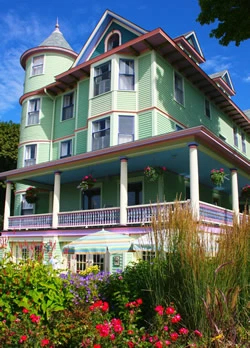
Review Inn on Mackinac room options and the property’s amenities and location when comparing a family stay.
Conclusion
A successful Mackinac Island trip with tweens combines independence, clear safety rules, physical activity, and downtime. Choose one main challenge each day. Let children help select food and flexible activities. Confirm seasonal schedules, prepare for weather, and avoid rushing between too many stops.
A convenient home base gives families room to reset between adventures. Check Inn on Mackinac availability and plan a tween-friendly island stay with time for both exploration and rest.
Category: Mackinac Island