Wild Edible Plants on Mackinac Island: A Safe Foraging Guide for Visitors
Introduction
Mackinac Island is known for its forests, shoreline, and preserved natural beauty. Many visitors notice plants along trails and wonder if they are edible. This curiosity is common among nature lovers and first-time visitors. Foraging means learning about edible plants found growing in nature. This guide focuses on education, safety, and responsible awareness. It does not encourage visitors to collect or eat wild plants. Mackinac Island protects its natural areas to preserve native ecosystems. Every plant plays an important role in the island’s environment. Visitors should treat these plants with respect and care. Learning about nature should always come before taking anything from it.
Is Foraging Allowed on Mackinac Island?
Foraging rules on Mackinac Island are strict and clearly enforced. Most land on the island falls under protected park areas. Removing plants from these locations is usually not allowed. This includes berries, leaves, roots, and flowers. Many visitors confuse observing plants with harvesting them. Observation means looking, learning, and photographing plants without removal. Harvesting means picking or taking plants, which can break local rules. These regulations exist to protect fragile ecosystems from long-term damage. When visitors ignore these rules, plant populations can decline quickly. If you are unsure about rules, always choose observation over collection.
Important reminders for visitors:
- Protected land does not allow plant removal
- Edible plants can still be illegal to pick
- Rules help protect rare native species
- Fines may apply for rule violations
Why Plant Identification Matters for Safety
Correct plant identification is essential for personal safety. Many edible plants look similar to toxic or harmful ones. One mistake can cause serious health problems. Visitors without local experience face higher risks. Online images and apps are not always reliable. Plants can change appearance based on season and growing conditions. Beginners should never eat plants found in the wild. Learning should happen through guides, signs, or expert programs. Children should never touch or taste unknown plants. Even small exposure can cause allergic reactions or illness.
Basic safety guidelines to follow:
- Never eat wild plants without expert confirmation
- Avoid touching plants you cannot identify
- Teach children to observe, not collect
- Treat unknown plants as unsafe
Knowledge keeps visitors safe and protects the island’s natural balance.
Common Wild Edible Plants Found on Mackinac Island
Mackinac Island has a cool climate and diverse plant life. Many plants grow naturally along trails, woods, and open areas. Some are known as edible in general education guides. Visitors should remember this section is for learning only. It does not suggest harvesting or tasting any plants. Understanding plant types helps visitors appreciate the island’s ecology.
Wild Berries
Wild berries are among the most noticed plants by visitors. They grow on shrubs and low plants in open spaces. Some berries are edible in general plant studies. Others look similar but are harmful if eaten. This makes proper identification very important. Berries also provide food for birds and wildlife. Removing them can disturb the natural food chain.
Common learning points about wild berries include:
- Berries change color as they mature
- Some safe berries have dangerous look-alikes
- Wildlife depends on berries for survival
- Picking berries may violate local protection rules
Observation and photography are the safest ways to enjoy them.
Edible Leaves and Greens
Several leafy plants found on the island are labeled edible in guides. These plants often grow in fields or forest edges. Many people mistake them for weeds. However, leaves can absorb pollution from soil and air. This makes wild leaves unsafe to eat without expert guidance. Leaves also support insects and soil health.
Important facts about edible greens:
- Young leaves differ from mature leaves
- Some edible greens resemble toxic plants
- Location affects plant safety
- Leaves play a role in ecosystem balance
Learning plant shapes and growth patterns builds awareness without risk.
Edible Roots and Herbs
Roots and herbs have a long history in traditional plant knowledge. Indigenous communities once used certain plants for food and medicine. Today, these plants are protected for conservation reasons. Digging roots causes lasting damage to plant populations. Herbs also help prevent soil erosion and support pollinators.
Visitors should understand:
- Root removal kills entire plants
- Herbs grow slowly in northern climates
- Many species are protected or rare
- Educational interest should replace harvesting
Respecting these plants helps preserve the island’s natural history.
Best Time of Year to Observe Wild Edible Plants
Seasonal changes affect plant growth on the island. Spring brings new leaves and early shoots. Summer shows berries, flowers, and full plant shapes. Early fall highlights seeds and mature plants. Winter limits visibility but protects plant roots underground. Timing helps visitors learn without disturbing nature. Each season offers unique learning opportunities for careful observers.
Foraging Safety Tips Every Visitor Should Know
Safety should always come first when learning about wild plants. Even plants labeled edible can cause harm if misused. Visitors often lack local plant knowledge and seasonal awareness. Weather, soil, and location can change plant safety. Plants near roads or paths may carry pollution. Touching unknown plants can cause skin irritation or allergies. Eating wild plants without expert advice is risky and unsafe.
Follow these basic safety rules at all times:
- Never eat plants found in the wild
- Avoid touching plants you cannot identify
- Stay on marked trails and paths
- Keep children from handling unknown plants
- Use guides only for learning, not collecting
Education keeps visitors safe and prevents avoidable health issues.
Ethical Foraging and Respect for Mackinac Island Nature
Mackinac Island values conservation and environmental protection. Plants support wildlife, soil health, and natural balance. Removing plants affects animals, insects, and future growth. Even small actions can cause long-term damage. Ethical behavior helps protect the island for future visitors. Respecting nature also supports local conservation efforts.
Ethical learning practices include:
- Observe plants without touching or removing them
- Take photos instead of samples
- Leave plants exactly where they grow
- Follow posted signs and park guidance
Preserving nature ensures the island remains beautiful and healthy.
Learn More About Mackinac Island’s Natural Wonders
Mackinac Island offers many ways to enjoy nature responsibly. Visitors can explore scenic trails, forests, and shoreline areas. Guided tours and educational programs provide safe learning experiences. These options help visitors understand local plants without harm. Spending time outdoors also builds respect for protected landscapes. Learning responsibly creates meaningful travel memories. Exploring nature, the right way supports conservation and sustainable tourism. Visitors who respect the land help protect its natural beauty for years to come.
Conclusion
Learning about wild edible plants helps visitors appreciate Mackinac Island’s natural environment. Safety, respect, and conservation should guide every outdoor experience. Observing plants without touching them protects fragile ecosystems and keeps visitors safe. Responsible travel helps preserve the island’s beauty for future generations.
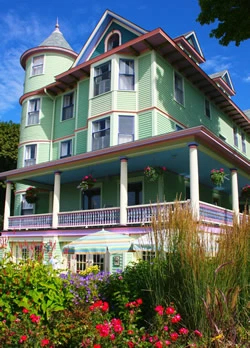
To enjoy nature at a relaxed pace, choose a comfortable place to stay. Inn on Mackinac offers a welcoming stay close to scenic areas and attractions. Book your stay and enjoy peaceful walks, fresh air, and the island’s natural charm.
Category: Mackinac Island