Mackinac Island in 1900 vs. Today: A Century of Change in Photos and Facts
Step onto Mackinac Island and time seems to slow. There are no cars, and horses still fill the streets. In many ways, the island looks much like it did long ago.
But a lot has changed since 1900. The way people arrive, stay, and spend their days has shifted. Some traditions held firm, while others faded away.
Let’s take a trip through time. We’ll compare the island around 1900 to the island you visit today. You’ll see what changed, what stayed, and why it all matters.
The Island Before 1900: A Quick Look Back
Mackinac Island has a long and rich past. Its story stretches back far before cars or hotels. To understand 1900, we need a quick look back.
From Fur Trade to Fort
Long ago, the island was a busy fur-trade hub. Native peoples lived and traded here for centuries. Later, French and British traders arrived by canoe and ship.
The military came next. Fort Mackinac rose above the harbor in the 1780s. Soldiers guarded the straits for more than a hundred years.
By 1895, the army left the fort for good. Its days as a war post were over. A new chapter as a resort was about to begin.
America’s Second National Park
In 1875, the island earned a special honor. The government named it Mackinac National Park. It was only the second national park in the country, right after Yellowstone.
That status did not last, though. In 1895, the land became Michigan’s first state park. The state has cared for it ever since.
Today, park land covers about 80 percent of the island. Those early choices kept the island green. We still enjoy that gift today.
Getting to the Island: Then and Now
You cannot drive to Mackinac Island. You never could in the modern sense. Water has always been the way in.
Steamboats and Sails
Around 1900, most visitors came by steamboat. Big passenger ships crossed the Great Lakes to reach the island. The docks buzzed as travelers stepped ashore.
These boats were grand for their time. They carried guests from cities like Detroit and Chicago. A trip to the island felt like a real adventure.
Freight came by boat too. Everything the island needed arrived by water. That part has not changed at all.
Ferries Today
Today, fast ferries make the trip in about 20 minutes. They leave from Mackinaw City and St. Ignace all day. Two ferry lines carry visitors across the water.
The boats are quicker and run more often now. In summer, you rarely wait long for the next one. Yet the feeling of arriving by water remains the same.
You still watch the island grow closer from the deck. You still feel the wind and see the bridge. That thrill connects you to travelers from 1900.
No Cars Then, No Cars Now
This is the island’s most famous trait. It began more than 125 years ago. And it shapes every visit still.
The 1898 Ban
Early cars scared the island’s horses. Carriage drivers worried about safety. So on July 6, 1898, the village council banned “horseless carriages.”
The rule was simple but bold. Cars were not welcome, full stop. That single choice set the island’s path.
The ban has never been lifted. More than a century later, it still holds. It is why the streets stay quiet today.
How People Get Around Today
Horses still do much of the work. They pull carriages, wagons, and freight. Around 500 horses arrive by ferry each spring.
Bikes are everywhere too. You can rent one and ride the whole shoreline. A road called M-185 loops the island for 8.2 miles.
M-185 is the only state highway with no cars. It circles the island right along the water. Walking and biking rule the roads here.
Where Visitors Stayed
Lodging has grown over the years. But the island’s charm has stayed. Guests still come to relax and slow down.
The Grand Hotel Era
In 1887, the famous Grand Hotel opened its doors. Crews built it in just 93 days. Its front porch stretches 660 feet, one of the longest in the world.
By 1900, the hotel was a symbol of luxury. Wealthy guests came to escape the city heat. They strolled the porch and gazed at the water.
The Grand Hotel still welcomes guests today. It remains a proud island landmark. Many visitors stop by just to see it.
Staying on the Island Today
Now the island offers many places to stay. You’ll find cozy inns, historic homes, and family hotels. Each one has its own warm style.
Small inns let you feel the island’s calm up close. You wake to birdsong, not traffic. You walk to Main Street in minutes.
This mix of choices did not exist in 1900. Back then, grand hotels ruled. Today, there’s a comfy spot for every kind of traveler.
The Sweet Story of Fudge
No island tale is complete without fudge. It has been a treat here for a very long time. And it’s still going strong.
The First Candy Kitchens
In the late 1880s, the island got its first candy kitchen. Henry Murdick helped start the fudge trade. Shops cooked sweets in copper kettles and cooled them on marble.
Word spread fast among visitors. By the 1920s, fudge was the island’s top souvenir. People carried it home to friends and family.
Making fudge became a kind of show. Shop workers folded it in long, smooth strokes. Guests gathered at the windows to watch.
Fudge Today
Fudge is still the island’s signature sweet. More than a dozen shops make it fresh each day. The scent drifts right onto Main Street.
The methods have barely changed. Copper kettles and marble slabs are still used. You can watch the same folding show your great-grandparents saw.
Visitors are even nicknamed “fudgies” now. It’s a playful island term. It shows how deep this tradition runs.
Daily Life on the Island
Life here is more than a tourist show. Real people live on the island year-round. Their world has changed, yet stayed close to its roots.
A Small Year-Round Community
Around 1900, only a small crowd stayed through winter. The island emptied once the boats stopped. Winters were quiet, cold, and long.
That is still true today. About 500 people live here all year. The 2020 census counted 583 residents in all.
When the tourists leave, the island turns peaceful. Neighbors know each other well. It feels like a small town frozen in time.
Work and School Today
Kids on the island still go to a local school. It serves the small year-round community. Class sizes are tiny by most standards.
In summer, the island fills with workers. They staff the shops, hotels, and stables. Many return year after year.
This rhythm of busy summers and quiet winters is old. It shaped island life in 1900 too. Some things simply endure.
Nature and the Outdoors
The island’s wild side has always drawn people in. Its cliffs, woods, and trails feel timeless. In this way, 1900 and today are close cousins.
Wild Trails and Arch Rock
Around 1900, visitors hiked the same paths we love now. Arch Rock was already a star sight. This huge stone arch rises high above the shore.
Carriage tours took early guests to see it. They marveled at the view of Lake Huron below. Photos from that era show crowds at the rock.
Today, you can bike or walk right to it. The arch still stands, strong as ever. Nature carved it over thousands of years.
Protecting the Land Today
Early leaders knew the land was worth saving. Making it a park helped keep it wild. That choice still pays off today.
The state park guards forests, cliffs, and trails. Over 70 miles of paths cross the island. You can wander for hours far from any crowd.
This care means the views look much like 1900. The woods are still deep and green. The shoreline is still clear and calm.
Main Street: Then and Now
Main Street has always been the island’s heart. It bustled in 1900, and it bustles now. But the shops have shifted with the times.
Shops of the Past
In 1900, Main Street served both locals and guests. Trading posts, markets, and small shops lined the way. Horses and wagons moved goods up and down.
Fudge shops and gift stores took hold early. Visitors browsed for keepsakes and treats. The street felt lively and full of talk.
Even then, no cars broke the peace. People walked shoulder to shoulder. The sounds were voices, hooves, and gulls.
Downtown Today
Main Street today still hums with life. You’ll find fudge shops, cafes, and gift stores. Bikes lean against rails outside the doors.
Big chain stores never took over here. Local owners still run most shops. Many greet you with a friendly hello.
Walk the street at dusk and it glows. Lamps light the windows and porches. It’s a scene the 1900 crowd would know at once.
What Has Stayed the Same
Much has changed in a century, but the heart remains. The island still bans cars and loves its horses. Fudge still perfumes the air.
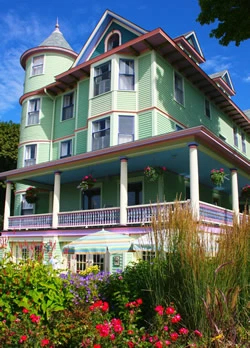
You still arrive by boat and feel the calm. You still see Victorian cottages on the bluffs. You still hear carriage wheels on the streets.
That mix of old and new is the island’s magic. It lets you touch the past while enjoying today. Few places offer that gift.
Plan Your Own Trip Through Time
Mackinac Island is a rare place where history stays alive. You can walk the same streets travelers loved in 1900. And you can still enjoy fresh fudge, quiet nights, and horse-drawn rides.
Ready to feel that century of charm for yourself? Book your stay with Inn on Mackinac and settle into the island’s gentle pace. Our inn puts you steps from Main Street, the harbor, and all the history. Visit innonmackinac.com to plan a trip that bridges the past and present.
Category: Mackinac Island